Creating a beautiful and practical children's outdoor play area
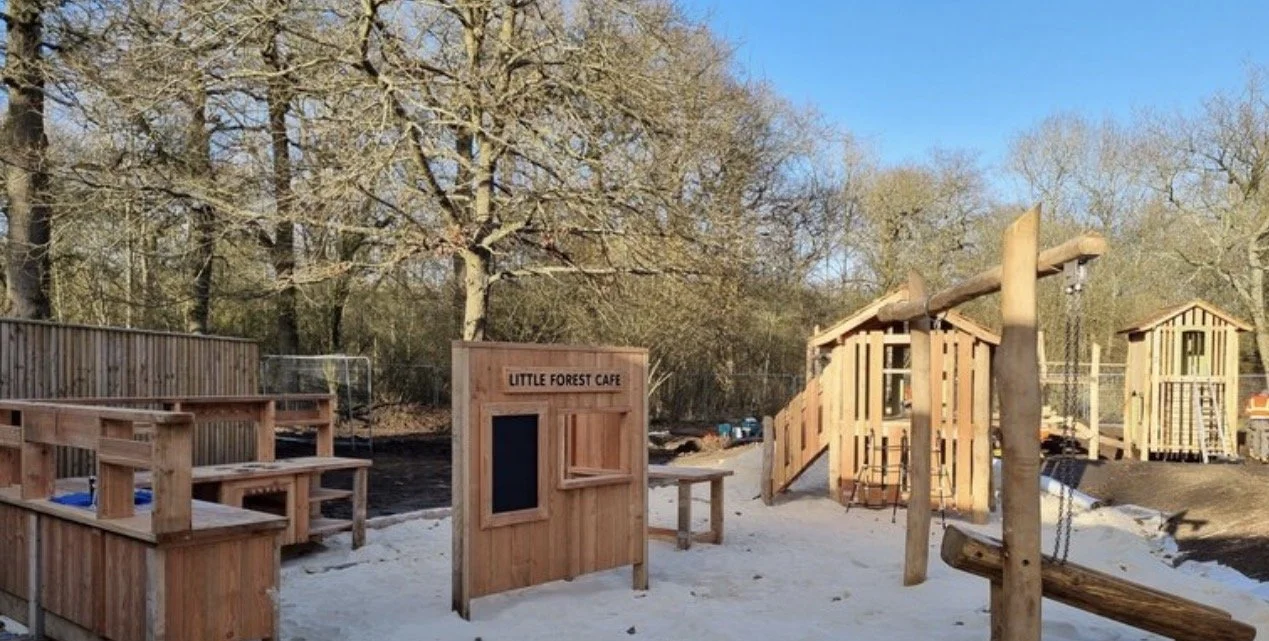
Yes, an outdoor garden play area for children can be both practical and beautiful! By blending durable hard landscaping and child-safe equipment with modern styling and resilient plants, this blog outlines a practical, kid-friendly blueprint.
In the UK, weather can be wet, cold, and changeable. A well-designed play space that stands up to rain, frost, and sun while staying inviting for kids and adults is not a luxury—it’s essential. A contemporary design brings clean lines, accessible spaces, sustainable child-safe planting and a sense of calm amid play. By focusing on durability, safe surfaces, low-maintenance planting and the simple pleasures of play, you’ll create an outdoor play area for all the family to enjoy year-round.
Design principles for hard landscaping
Solid hard landscaping is the backbone of a durable play area. It defines movement, safety, and the look of your garden. Here are practical guidelines:
Plan for safety first: choose slip-resistant or soft impact surfaces (like recycled rubber mulch, safety tiles or play grade wood chip) and rounded edges on surfaces. Purchase a professionally built swing/climbing/seesaw kit to ensure it’s built to the best safety standards.
Prioritise drainage: UK climates mean frequent rain. Permeable materials with well considered sub-base and drainage, help prevent puddles and mud.
Create accessible zones: a central play area with clear sight lines to adults, circulation space and easy access to seating and storage are essential.
Edging and boundaries: Use low walls or timber sleepers to define play, seating, and planting zones.
Use durable, low-maintenance hardscape materials: choose weather-resistant timber, composite decking, natural stone, and resin-bound gravel.
Colour and texture balance: contrast soft greens and natural surfaces with a contemporary palette (greys, charcoals, whites) to emphasise structure without overstimulating.
Plant to soften: play areas flanked by bordered planting beds will act as natural windbreaks and noise buffers.
Design styles can be varies, so here are three contemporary angles for a UK play garden, by way of example:
Modern minimalist with soft edges - Clean lines, restrained colour palette, and clear zones for play, rest, and garden planting.
Materials: large-format porcelain pavers, smooth render, timber accents, and monochrome grass based plantings with little pops of pastel colour.
Why it works in the UK: reduces clutter, highlights safety zones, and ages well as kids grow.
Nordic-inspired calm and functional - Light woods, pale timbers, charcoal grouts, natural stones, tree stump stepping stones and plenty of clean open space.
Features: low hedges and native plants in a muted earthy colour palette, generous cushioned seating, and practical storage for toys.
Why it works in the UK: brightens winter light as an extension of the home, uses durable comfortable materials, and keeps nature connected.
Tropical-outdoor with bold focal points - Strong geometry, vibrant planting blocks with integrated edibles, and statement structural tropical inspired plants.
Materials: engineered stone, steel edging, resin-bound surfaces, mud-kitchen and water integrated play.
Why it works in the UK: robust and weatherproof finishes, bright colours to stimulate, dramatic planting to play under and easy-to-clean surfaces.
Feature styles: multiple hard landscaping options to enjoy, relax and entertain
Core play structures (obvious favorites)
Swings (traditional, bucket/toddler, belt) — for a range of ages; ensure soft fall area.
Slides (straight, curved, spiral) — varied speeds and thrills; guardrails for safety.
Climbing frame / jungle gym — ladders, ramps, and nets for climbing skills.
Play tower or fort with lookout — high-level pretend play and cozy nooks.
See-saw / teeter-totter — social play, balance, and cooperation.
Balance beams and stepping logs — core balance and motor skills.
Cargo/net climb or rope course — more challenge for older kids.
Ground-level and loose-part play
Sand pit with tools (shovels, molds, sieves) — open-ended tactile play, but ensure there is a cat-proof cover.
Mud kitchen — messy, imaginative cooking with water and soil.
Water play table or channels — pouring, shaping, and discovery.
Sensory path or textured stepping stones — different surfaces underfoot.
Chalkboard or magnetic wall — outdoor art and messages.
Pebble/stone garden or bead garden — natural texture for exploration.
Imaginative and role-play zones
Outdoor playhouse, cabin, or treehouse — private pretend space.
Pirate ship, castle, or camper van setup — themed adventures.
Fairy garden or magical nook — whimsy and story cues.
Dress-up corner with costumes and props — quick character play.
Puppet theater or mini market stall — storytelling and social drama.
Nature, discovery and makers
Bug hotel, butterfly habitat, or insect viewing station.
Bird feeders, binoculars, and a simple wildlife observation area.
Kids’ garden beds or a micro-greenhouse for planting.
Log rounds, stumps, and natural stepping stones — collect, balance, sit.
Rain garden or gentle water wicking channels for learning about ecosystems.
Willow teepee - growing and natural ground level play space.
Movement, fitness & outdoor play
Tunnels for crawling through; weave through a mini obstacle course.
Hula hoops, ladder drills, and mini fitness stations.
Scooter/bike track or chalk-covered “race” lane around the space.
Small ground-level trampoline with safety enclosure (if space and supervision allow).
Zip line or pulley swing setups only with strict safety guidance (optional, high safety demands).
Creative, DIY and recycled play
Cardboard fort city or cardboard-wall village (eco-friendly, easy to transform).
Recycled-material sculpture area (bottle caps mosaics, tin-can drums).
Wooden blocks, planks, and loose parts for open-ended construction.
Fabric tunnels, parachute games, and loom/cord weaving area.
Sound garden with tuned chimes, rain sticks, and water drums.
STEM (science/ technology/ engineering/ maths), learning and quiet zones
Simple machines zone (pulley, lever, inclined plane) with safe demos.
Weather station corner (thermometer, wind vane) for real-time data.
Geometric shapes sandbox or tactile number/letter boards.
Quiet reading nook with a bench and canopy for downtime.
Inclusive and accessible play
Ground-level, inclusive swings or transfer-friendly seating.
Wide, step-free access to most zones and generous turning radii for mobility devices.
Soft fall surfaces (rubber mulch, safety mats) and edge cushioning.
Raised planters and tactile panels at multiple heights.
Seasonal and weather-friendly ideas
Shade sails, pergolas, or retractable canopies for sun relief.
Weatherproof seating and storage for rainy days.
Windbreaks and cozy corners for cooler days.
Quick-start ideas (easy to implement)
Creative play:
Core: swing + slide + climbing frame
Water: small water table with channels + mud kitchen
Imaginative: playhouse or pirate ship corner
Wildlife eco play:
Nature: bug hotel + logs + stepping stones
Creative: recycled sculpture area + willow teepee
Quiet: reading nook with shade
Stimulate cohesive play:
Inclusive: swing or accessible station
Movement: Balance beams + tunnel crawl
Stimulate: Sound garden + sand pit
Cornerstone plants: the backbone of your planting scheme
With year-round structure and defined spaces, cornerstone plants help guide the eye away from play zones when needed. Avoid thorny or highly toxic plants in primary play zones. For homes with very young children, consult a local garden centre about child-safe cultivars and non-invasive ground covers. Choose varieties that are hardy to UK conditions, relatively non-toxic, and low-maintenance. Here are some reliable options:
Trees with non-toxic leaves/seeds/fruits (eg Maples ‘Field’ and ‘Norway’, Birch, Apple/ Crab apple, Hazel)
Why it works: dappled light and the chance to add seclusion from overlooking properties.
Placement: near seating and planted borders where kids can enjoy shade in summer without getting too close to play equipment.
Euonymus ‘Greenspire’
Why it works: classic, tidy evergreen blocks that can be trimmed into clean shapes or left to soften naturally.
Placement: along borders to create crisp edges or as chunky vertical accents near seating.
Japanese Holly (Ilex crenata) varieties
Why it works: dense, evergreen, and naturally rounded without spines—kid-friendly near paths.
Placement: enclosures around a patio or as low hedges for safe boundaries.
Compact evergreen shrubs (e.g., Pittosporum tenuifolium ‘Forest Fire’, or Skimmia japonica)
Why it works: year-round structure with seasonal moments of color; safe for children if berries are not ingested (watch berry safety if small children are present).
Placement: focal clusters at corners and entry points to anchor the space.
Ornamental grasses (Miscanthus sinensis ‘Gracillimus’, Calamagrostis x acutiflora ‘Karl Foerster’)
Why it works: movement in wind, natural screens, and minimal maintenance.
Placement: back-of-border to create a soft, architectural backdrop behind play zones.
Scented lavender (Lavandula angustifolia)
Why it works: drought-tolerant once established, fragrant, audible in wind, and edges can soften lines.
Placement: near seating and paths where kids can enjoy scent without getting too close to play equipment.
Low-maintenance ground covers (Carex ‘Amazon Mist’/ ‘Silver Sceptre’/ ‘Everest’/ ‘Everillo’, Euonymus fortunei or Hedera helix in controlled forms)
Why it works: keeps soil in place and reduces mud; choose non-invasive cultivars and maintain containment.
Placement: under-storey near borders or to fill gaps between stepping stones.
Easy edibles (Ribes ‘Chaparral Currant’/ ‘Blanka Currant/ ‘Gliore de Sablons Currant’/ ‘Tatijana Gooseberry’)
Why it works: drought-tolerant once established, pretty spring flowers, edible summer berries, and stems without spines.
Placement: happy in slightly semi-shaded spots and near to vegetable plots for children to enjoy harvesting alongside adults and wildlife.
A UK-hardy contemporary children's outdoor garden play area blends sturdy hard landscaping with thoughtful design styles and careful plant choices. By focusing on durable surfaces, smart drainage, and safe, evergreen cornerstone plants, you’ll craft a space that invites play today and remains stylish for years to come.