Latest UK garden design trends for 2026: a fresh guide to beautiful, sustainable outdoor spaces
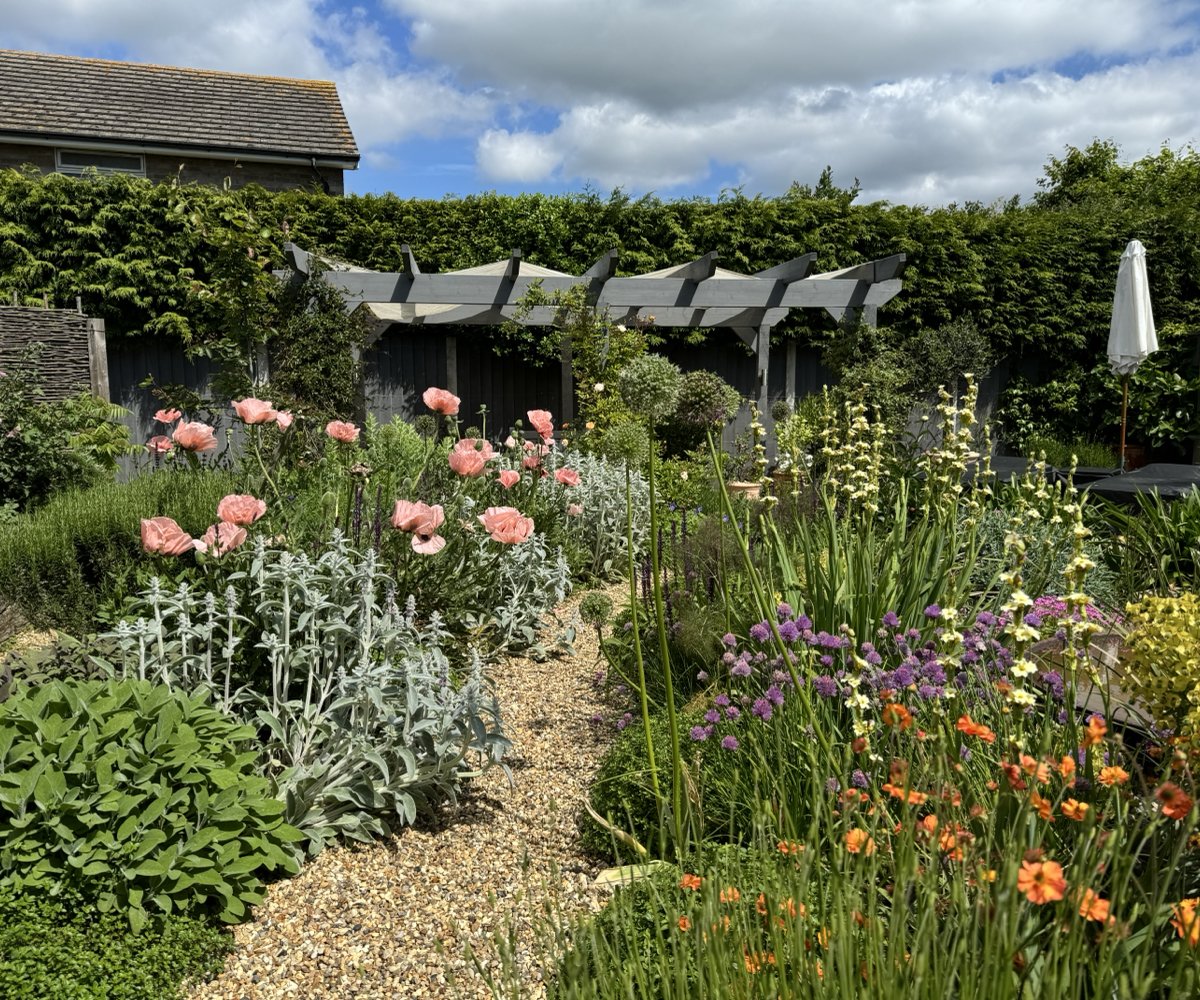
In 2026, UK garden design is all about blending beauty with practicality. Homeowners want outdoor spaces they can enjoy year-round, while supporting wildlife, conserving water, and reducing maintenance. From native planting palettes to smart irrigation, the latest UK garden design trends focus on resilience, biophilia, and outdoor living. Below is a comprehensive guide to what’s shaping UK gardens this year and how you can weave these trends into your own outdoor space.
1) Native plants and meadow-inspired palettes
The popularity of native plants and meadow gardens continues to rise, praised for their low maintenance and ecological benefits when planning seasonal planting.
Designers pair native grasses with flowering perennials to create texture, seasonal interest, and to support pollinator-friendly gardens.
Aim for long-season colour from plants that not only look good in winter, but also provide berries for wildlife, colourful leaves for visual interest and flowers for pollinators.
2) Low-maintenance and no-mow lawn alternatives
Traditional grass remains popular, but many homeowners are switching to low-maintenance options whereby lawns are removed entirely for much reduced maintenance and watering needs.
Less-mow lawn zones are also a good aspect to include allowing sections of lawn to grow long with an annual strim to tidy in autumn. This approach is designed to be visually appealing with evolving lawn textures through the seasons.
Benefit: easier upkeep, more wildlife-friendly spaces, and better drought resilience.
3) Climate-resilient planting for a changing weather pattern
Drought-to-flood-tolerant means adapted and water-wise planting which is essential when UK summers can be hot and dry, while Uk winters can be wet and flooded.
Once-established plantings with deep-rooted varieties reduce irrigation needs and plants with the ability to thrive in such varied conditions and climate-resilient plants UK.
Garden designers combine thermal mass (pavers, walls) with shade plants to balance microclimates.
4) Biophilic design and outdoor rooms
Outdoor rooms are no longer just a trend; they’re a staple in UK garden design.
Covered seating areas, modular furniture, and weatherproof textiles extend outdoor living seasons.
Natural materials (teak, cedar, stone) and biophilic touches (living walls, vertical planters) create soothing, nature-connected spaces in even the smallest of gardens.
How to implement: define zones for dining, lounging, and gardening tasks to maximise usability.
5) Edible gardens: integrated cooking at home with stylish decorative planting
Edible landscaping is mainstream, but not just an ugly kitchen garden at the bottom of the garden with bare winter soil.
Kitchen garden plots blended with ornamental beds is the way to maximise productivity without compromising on visual appeal.
Herb spirals, berry bushes, and integrated greenhouse spaces with outdoor living spaces support year-round harvests and entertaining.
6) Water management: harvesting, permeable surfaces, and rain gardens
Water-sensitive design is a major trend: rainwater harvesting, permeable paving, and drainage-aware layouts are now a staple in new build properties, so now is the time for this to be common practice in all homes.
Rain gardens and swales help manage rainfall, reduce runoff, and support moisture-loving plants.
Materials chosen for water permeability include porous concrete, gravel, and permeable block pavers when you combine hardscape with soft landscaping to balance cold, rigid lines with lush greenery.
Benefit: healthier soils, reduced flood risk, and better plant performance in wet UK winters.
7) Wildlife corridors: pollinators and native habitats
Pollinator-friendly gardens remain a core priority for UK garden designers.
Planting schemes in wildlife-friendly UK gardens include nectar-rich flowers from spring to autumn and shelter for insects.
Creating small wildlife patches, log piles, and native hedge banks fosters biodiversity.
8) Lighting, heating, and ambience for evening uses
Outdoor lighting and heat sources extend usability after sunset, which is especially useful in the UK.
Low-energy LEDs, ground lighting (rather than up-lights), solar lighting, and warm-toned fixtures create inviting atmospheres that don’t interrupt bats and birds as they nest and chase insects in your garden.
Fire pits, outdoor fireplaces, and portable heaters are popular for autumn evenings, as ever, focus on those with sustainable eco fuel.
9) Smart garden technology for UK conditions
Smart UK garden tech features irrigation controllers, weather-based watering, and soil-moisture sensors reduce waste.
Timed lighting, garden cameras, and app-controlled features are becoming common in mid-to-high-end gardens.
These technologies help maintain plant health while cutting water and energy use.
10) Colour, texture and seasonal interest across the year
While garden designers curate colour palettes that shift with the seasons, the best way to bring a real sense of place and intimacy is to focus the colour palette on a specific theme.
Textural contrasts add depth, focus on soft grasses against hard-edged stone and glossy leaves with matte foliage.
Seasonal planting schemes ensure year-round interest, even in the UK’s changeable climate, but focused on the key areas and times of year when you will be utilising and enjoying the space.
Practical tip: choose plants with complementary bloom times to avoid gaps in colour.
11) Sustainable materials and local sourcing
A growing emphasis on sustainability and eco-friendly garden ideas guides UK choices of timber, stone, and metal.
Recycled waste from the old hard landscaping can be ground up on site and reused in aspects of the newly built garden landscaping, suitable sub-bases and gravel planting mediums are just a few examples of this expanding recycling in garden designs of today.
Locally sourced materials reduce transport emissions and support regional craftsmanship, but are not yet cost-effective for the budget garden.
Reclaimed timber, recycled metal, and responsibly produced composites are common, but again, their higher cost should be offset against the desire to reduce, reuse and recycle.
12) How to implement these trends in your UK garden
Start with a plan: assess soil, light, and water conditions before selecting plants.
Create zones: designate outdoor rooms for dining, lounging, and growing—this helps with flow and maintenance.
Mix evergreen structure with seasonal color: evergreen shrubs provide year-round backbone; annuals and perennials deliver seasonal spark.
Choose native or well-adapted plants: they perform better in UK climates and support local wildlife.
Invest in irrigation efficiency: a simple smart controller can save water and effort.
Consider professional help: a skilled garden designer can translate trends into a cohesive, site-specific plan.
Conclusion: Embrace the Evolution of UK Gardens
The latest UK garden design trends for 2026 emphasise resilience, sustainability, and outdoor living that blends seamlessly with nature. Native planting, reduced maintenance, water-conscious hardscaping, and vibrant outdoor spaces are transforming how we use and enjoy gardens in the UK. By incorporating these trends thoughtfully, you can create a garden that not only looks stunning across seasons but also supports wildlife, saves water, and remains adaptable to the UK climate.
If you’d like this trend framework tailored to your property, family life, and budget, I can help draft a custom garden design plan that aligns with your goals and local conditions. Contact us to start designing a garden that’s both beautiful and climate-smart.