Why plant-orientated gardens matter
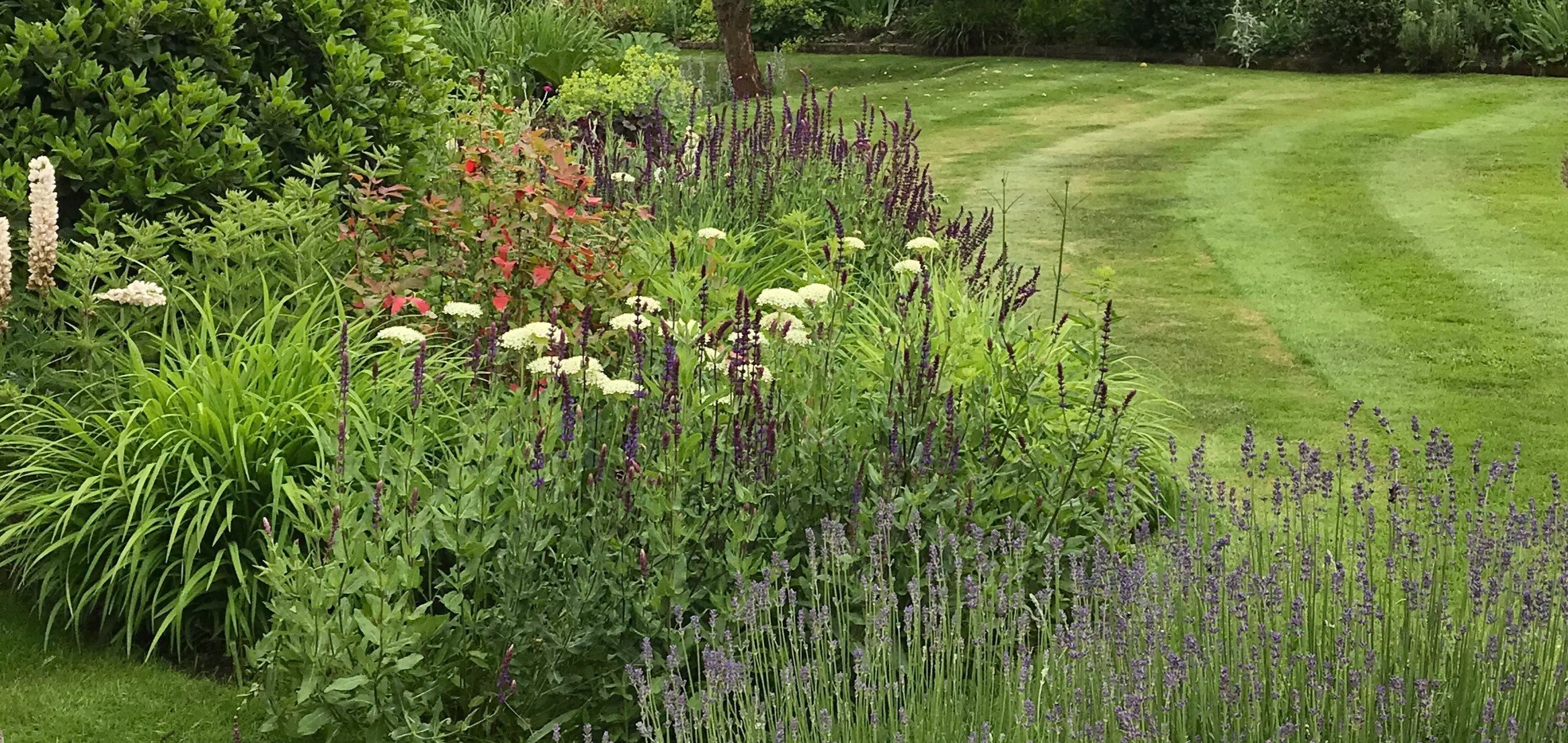
If you’re planning a garden makeover in the UK (Essex or Suffolk), you’ll gain more than just curb appeal by embracing plant-orientated design. A garden that prioritises living material—trees, shrubs, perennials, grasses, and climbers—delivers ongoing multi-dimensional benefits to biodiversity, climate resilience, mental health, and property value. This blog explores the benefits of designing new plant-orientated gardens in the UK and gives practical design tips for implementing changes, utilising existing plants, and introducing new plant installations. It also explains why living landscapes outperform purely hard-landscaped spaces on every level.
Why plant-orientated gardens matter in the UK
In the varied climate across Essex and Suffolk, a garden that leans into living material creates living ecosystems rather than static scenery. The benefits of designing new plant-orientated gardens in the UK include:
Biodiversity and pollinator support: native and well-chosen ornamental plants provide nectar, pollen, and shelter for bees, butterflies, and other wildlife. Habitat creation and biodiversity means that living plant networks support thriving ecosystems.
Climate resilience: diverse plantings help modulate temperature, reduce drought stress, and improve soil structure. Microclimate regulation is where trees and dense shrubs provide shade in summer and shelter in winter, reducing energy use for heating and cooling nearby buildings.
Air quality and noise buffering: plants filter dust and pollutants while softening urban noise. Air and noise buffering is achieved when dense vegetation reduces noise and filters pollutants, improving air quality.
Year-round interest: seasonal foliage, flowers, fruits, and autumn colour extend the garden’s beauty beyond a single growing season. Seasonal variety is where flowering sequences and foliage textures deliver ongoing visual appeal, making the garden feel alive year-round.
Mental and physical well-being: contact with living horticulture reduces stress and encourages outdoor activity. Well-being benefits come from routine care and interaction with plants and grounding (physical contact with grass or soil) transfers natural electric charges into the body to regulate and heal our bodies.
Property value and market appeal: green, biodiverse spaces are increasingly valued by buyers seeking sustainable living environments. Purely hard landscaped gardens appear sterile and fail to deliver the emotional message that many new home buyers value.
In short, gardens designed around plant life offer a dynamic, sustainable alternative to bare, hard-edged spaces.
Design tips for implementing a plant-orientated garden
As we help clients turn this concept into a practical plan it involves a few focused steps. Here are design tips that help you implement changes effectively, whether you’re upgrading an existing space or starting from scratch.
Start with a clear plan before any hard landscaping commences
Map sun and shade across the day; note spots with wind exposure or frost pockets.
Decide on zones: a restful seating area, a pollinator border, a edible-plant corner, and a wildflower meadow patch.
Ensure new hard landscaping is well placed and thoughtful by designing with permeable, recycled or quality sustainable materials and include visible plant edges to maintain a living feel.
Audit and utilise existing plants
Inventory current plants: which are healthy, which can be relocated, and which can be divided or rehomed.
Prune and reshape overgrown trees and shrubs to reveal structure and light.
Prioritise perennials and shrubs that offer year-round structure.
Consider what planted material already thrives in your garden and consider adding more similar hardy plants in adjacent variations to expand borders with confidence.
Align plant height, spread, and root requirements with their final location.
By prioritising the value of existing material, you lower cost and carbon footprint while preserving garden flavour.
Select plant families for the Essex or Suffolk climate
Set your new goals: biodiversity, year-round colour, low maintenance, or a combination. Think of foliage colour and texture as a core design element, not just flowers in every colour. Native and climate-adapted species reduce maintenance and encourage local wildlife.
Mix structural evergreen shrubs with seasonal herbaceous perennials for depth. Combine spring-flowering bulbs, summer perennials, autumn colour, and winter evergreens. Introduce shade-tolerant perennials beneath trees or tall shrubs to maximise vertical use of space as part of your understory planting.
A strong yet individual planting theme always delivers better results. Consider what you are drawn to by exploring some of the trends in gardening that appeal to you. For example: cottage garden (pastels and sumptuously full borders), minimalist Japanese garden with limited flower colour and plenty of layered green shade with careful use of stones and gravel, vibrant tropical garden with dramatic leaf shapes and vivid hot colours.
Consider habitat diversity by including nectar sources, shelter for hedgehogs or small birds, and water features or damp zones for amphibians.
Soil, drainage, and ground prep
Test soil pH and texture; amend with compost and organic matter (manure) to improve soil structure. Ensure the existing soil ecology is not negatively impacted as a result of the build - changing soil PH or removing huge quantities of soil is not an ecologically sound approach to sustainable garden design.
Ensure good drainage in wet spots and retain moisture where needed with mulch. Use rain gardens, swales, soak-aways, or permeable hard surfaces to manage rainfall and reduce water run-off. Huge areas of impermeable hard landscaping results in excessive water movement during prolonged wet weather, consider where drainage is needed and if planted material can benefit from surface rainwater collection and redeployment.
Try to enhance existing ground levels minimally to keep costs under control. Gentle changes in level with well placed steps and small retaining walls add visual interest. Consider accessible options for people of all abilities to enjoy the garden.
Build hard landscaping with planting in mind
Ensure build materials and earth moving don’t contaminate or compact your planted areas (eg cement production or heavy digger work on flower bed spots can ruin the ground for planting).
Get all the heavy lifting of hard landscaping materials done before planting starts, but be sure to plan if extra large/ heavy tree specimens need to be on site before the new hard landscaping commences.
Phase when soil enrichment can be added during the build, so you’re not taking dirty and heavy wheelbarrows across newly landscaped patios and pathways. Build hard landscaping from the back of the garden and out through the exit - starting by the house and then adding new work towards the back of the garden thereafter could cause issues by not considering the best order of implementation at design stage.
Carefully consider where planted material can be positioned, as tree roots and water run-off can cause future damage (eg subsidence or blocked drainage) to new hard landscaping or existing property and which is expensive to correct at a later date.
Ready to transform your outdoor space?
The benefits of designing new plant-orientated gardens in the UK, specifically Essex and Suffolk, are wide and closely linked to human and property value. A plant-orientated garden is as much about rethinking what you already have as what you need to add. Established trees and shrubs can take 30-40 years to reach mature sizes, if they are located in the right position and are healthy, always design hard landscaping around them.
A plant-orientated garden in the UK isn’t just about growing plants; it’s about building a living system that enhances beauty, supports wildlife, and improves daily life. If you’d like tailored tips for your space, or help designing a new garden, building quality structures that last and choosing the right plants for your soil and climate, we are here to help. Reach out to discuss your goals, budget, and timeline, and we’ll translate these design tips into a practical, thriving garden plan. 🌿🌼🐝