Considerations for a beautiful border redesign
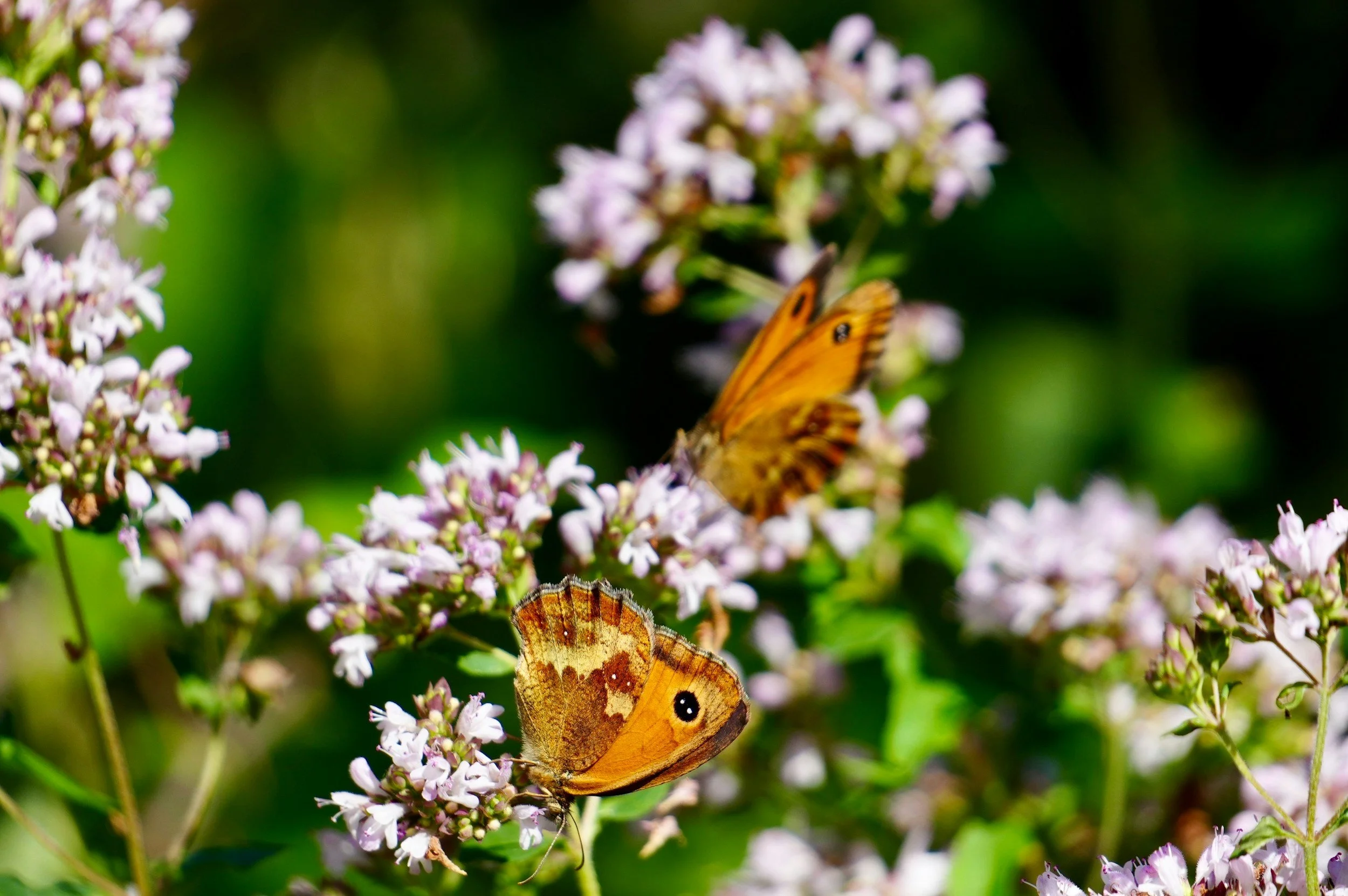
Planning a planted border redesign can transform a garden, boost aesthetics of a tired or dated outdoor space, and improve year-round interest. For UK gardens, specifically those in Essex or Suffolk, where seasonal shifts and varied soils matter, a thoughtful approach is essential. This guide walks you through border shape design, implementing changes, using existing plants, and installing new specimens—so you can execute a confident and sustainable border redesign.
Understand your landscape before work commences
Assess the microclimate: sun exposure (full sun, partial shade), wind patterns, and frost pockets influence plant choices.
Evaluate soil and drainage: sand, clay, neural or acidic soils behave differently; know your pH and drainage to avoid waterlogged beds or drought stress.
Check watering options and access: ensure machinery or wheelbarrows can reach the border, and that you can water easily after planting.
Define objectives: year-round structure, seasonal colour, wildlife habitat, or a low-maintenance border? Clear goals and suitable plans for the border should guide all design decisions, eg installing a prairie border (dry climate perennials and grasses) on wet, heavy clay soil is impossible to achieve.
Consider style and scale: cottage borders, modernist lines, or naturalistic schemes each have distinct border shapes and plant palettes while also needing plenty of space for scale and depth.
Shaping the border redesign with purpose
Curved vs. straight lines: UK borders often benefit from gentle curves that soften the garden edges and invite flow, creating a natural look. Meandering borders provide a sinewy border path can guide eye movement through a border and create microclimates—an airy feel for mixed plantings. Straight borders can feel formal but work well for modern styles with a strong architectural vibe. Clean lines of sight and focal points add drama as reshaped borders frame vistas and viewpoints. Choose border edging materials that fit the garden style and budget—brick, timber, steel, or stone. Defined edging helps keep mulch and soil in place while giving a tidy finish.
Layering and height: design with three tiers in mind—ground covers and low-margin plants, midsize shrubs, and taller structure at the back. This ensures year-round rhythm and reduces gaps between seasons. This requires space and depth to be properly proportioned. Most borders need at least 3 metres. to ensure planting and layering supports trees, shrubs and perennials with adequate space to successfully grow to their mature dimensions.
Proportions and repeat planting: border shapes that echo the existing architecture or garden contours tend to look more cohesive. If you’re unsure, sketch a few shapes on graph paper to compare scale and flow before committing to earthworks. Repeat colours or focal plant groupings at intervals (every 1–2 meters, for example) are key to anchor the border redesign and improve coherence.
Utilising existing plants: assessment with relocation or removal
Reutilising healthy existing plants is a sustainable choice that often reduces cost and waste while preserving personal garden history. Conducting an inventory and health check is a good place to start. Plan which plants are healthy and to remain in situ, which plants are declining and should be removed, and which might be moved for better placement.
Move and divide plants that match the new border’s light and moisture needs. For example, sun-loving perennials can migrate toward the front or center, while shade-tolerant plants go toward the back or under taller canopies. Spring is ideal for dividing clumps of hardy perennials. Plants that are stressed after relocation may recover with a week or two of being potted with careful watering and gradual sun exposure before being relocated to their new site. This approach also allows you to place these plants on the soil amongst new plants before planting up, to ensure the right plants are in the right place.
Your goal is to create continuity in the border redesign by reusing colours, textures, and bloom times from established plants to preserve seasonal rhythm while you redesign.
New plants: choices, placement, and care
Plant palettes to consider: in the UK are varied, but a cohesive planting concept is essential if the garden is to be dramatic yet beautiful. For example, a cottage garden vibe is soft pastel pinks and blues with airy perennials and flowering shrubs; a contemporary minimal border has a restrained palette of shaded greens and chartreuse accents amongst strong architectural structures; and a wildlife-friendly border has nectar-rich perennials, wafting grasses, and native shrubs that support sun-loving pollinators. There are many, many planting options available, so spending some time to gather inspiration images that you like is key to informing your ideal border redesign. Include native flowering shrubs and nectar sources to support pollinators, birds, and beneficial insects - a healthy garden ecosystem is integral in building a healthy garden habitat.
Plant selection and placement strategy: mix native and well-adapted non-natives to achieve hardy, low-maintenance performance in UK conditions. Choose plants with overlapping bloom times for continuous colour. Give each plant room to grow—gap sizes typically equal to the plant’s eventual width. Crowding slows growth and increases disease risk. Incorporate a mix of evergreen foliage, spring bulbs, summer florals, and autumn seed heads to ensure the border remains engaging throughout the year.
Planting in and aftercare: loosen soil to the depth of the root ball, avoid burying the crown, and water well after planting. Apply a 5–8 cm layer of organic mulch to suppress weeds, regulate moisture, and feed soil organisms. Water deeply, especially in dry spells, and monitor for signs of transplant shock. Fertilise lightly only if soil tests indicate a need - enrich and check the soil structure every couple of years to keep the ecology and plant health at its best. Schedule pruning, deadheading, and division to maintain shape and health (in the UK, late winter and late summer are prime pruning windows for many perennials). Assess your border every 3–5 years to ensure it still fits the garden’s maturity, light changes, and the your developing preferences. Border redesigns are not a ‘once and done’ approach, and require this periodical re-evaluation to maintain visual appeal, with the added benefit of allowing you to introduce subtle changes and follow new ideas.
Implementing changes: our approach from plan to planting
Create a staged plan: we divide the project into phases—pruning or clearing, soil preparation, hard landscaping (edging, soil improvement), planting, and aftercare. A phased approach reduces risk if weather or logistics shift. It also lets you enjoy part of the border sooner while planning the remainder.
Prepare the bed properly: remove weeds, break up compacted soil, amend with organic matter, and improve drainage where necessary.
Planting timing: in the UK, the optimal windows are autumn (Sept–Nov) and spring (March–April). Planting during these periods helps roots establish before extreme heat or cold.
Accessibility and maintenance: assess whether you’ll rely on rainfall, install a soaker hose, or add drip irrigation for efficient watering—especially important for new plant installations. Keep paths clear, mulch thickly to suppress weeds and conserve moisture, build in accessibility for pruning and seasonal training, monitor for pests, and water deeply but less frequently as plants settle.
A well-planned planted border redesign in the UK can deliver enduring beauty, year-round interest, and increased garden resilience. By paying attention to border shape design, implementing changes methodically, and thoughtfully utilising existing plants while planning for new installations, you can create a border redesign that thrives across seasons and welcomes wildlife. With careful preparation and ongoing care, your newly redesigned border will reward you for years to come.
We can tailor this plan to your specific site—utilising details like sun exposure, soil type, and your preferred border style, and map out a customised, step-by-step approach and/or a fully managed service to plan and implement a border redesign for you (available in Essex and Suffolk only). 🌿🪴💡