Rethinking the use of plastics in your garden
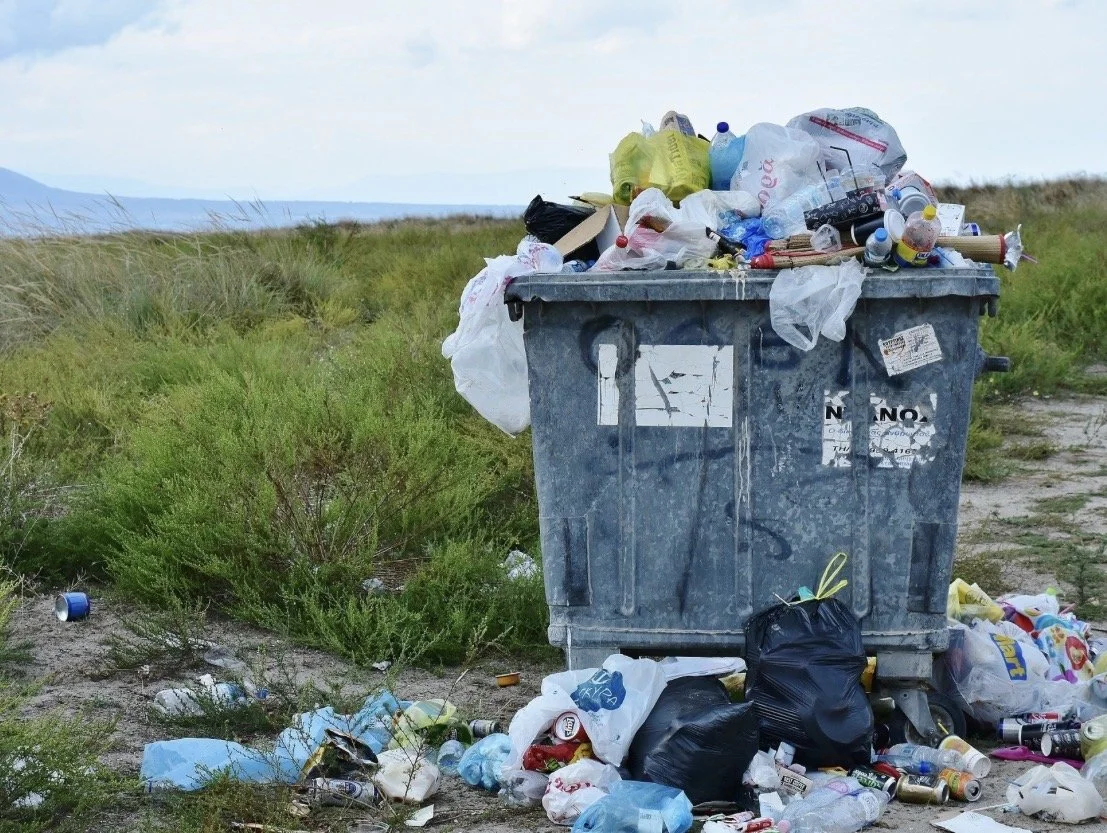
In recent years, plastic has become a familiar (and cheap) fixture in many UK gardens. From ultra-low-maintenance lawns to weed barriers and decorative plastic flowers, plastic seems like a quick fix. But there are compelling reasons—environmental, practical, and aesthetic—to think twice before embracing plastic as a long-term garden solution. Here’s a UK-focused look at why plastic in garden landscaping is often not the best choice, and what to consider instead. This blog unpacks the issues and alternatives that UK homeowners, garden designers, and landscapers are weighing up today.
Artificial turf: a mixed bag for UK gardens
Artificial grass or turf is commonly pitched as a low-maintenance dream, especially for damp or windy British climates. But there are trade-offs that are easy to overlook
Maintenance and care: No mowing or water requirement compared with a traditional lawn. However, does need weed killer to suppress weeds which grow through and on top of the plastic lawn. The often damp UK climate can make drainage a concern if the installation isn’t well designed.
Longevity and eco life-cycle: Consistent green appearance all year round, regardless of weather. However, most artificial only grass lasts 8–10 years, after which it will require replacement and disposal. The production and end-of-life disposal carry environmental costs. Replacement cycles in the UK market may involve disposal challenges when communities move away from plastics. Some products shed microplastics and particles into soil and watercourses, raising concerns for soil health and wildlife. Consider balancing these benefits with the environmental footprint and how the product will perform in your garden’s microclimate.
Practicality solves some problems but creates others: Artificial turf is good for pets and children in busy urban settings if mud and dirt are to be avoided inside the property. Take care as it can become surprisingly hot in summer, to the extent that feet and paws get burnt, especially in poorly shaded areas. Protect against plastic grass friction burns from children playing sports.
Look and feel : Modern products are surprisingly life-like, even premium products may not entirely replicate the look and feel of real grass, particularly under heavy use or in shade.
Plastic weed suppressant membranes: a simple fix with hidden costs
Plastic weed suppressant membranes (often polyester or polypropylene sheets) are frequently used to suppress weeds, reduce soil disruption, and save time on maintenance. They have historically been popular in DIY projects and some professional installations, but the last 20 years of use has revealed they come with caveats.
A promise turned sour: Quick weed suppression on planted borders or under loose gravel areas promised a reduced need for herbicides and ongoing ground maintenance. Unfortunately as people needed to alter planting new holes have to be cut into membrane, established plant roots tightly grow into membrane and weeds grow on top of the membrane.
Water and air permeability: in some designs, membranes limit water and air movement to the soil, potentially affecting soil health and plant vigour. Ground covers and native plantings that naturally smother weeds without artificial barriers. Natural weed suppressant mulches (fine border bark, conditioned farmyard manure, woodchip) refreshed regularly to suppress weeds while supporting soil biology. A design that respects soil ecology tends to pay off over time, otherwise you’ll see a clear tension between convenience and long-term soil health
Longevity and microplastics: many membranes are not easily recyclable after years of sun exposure and degraded fragments can become microplastics in the soil. Many products end up in general waste rather than recycling streams, depending on local facilities. Permeable, breathable stabilised gravel or hoggin paths that don’t rely on plastic sheeting are a better alternative to loose gravel over plastic membrane. Reusable fabric or biodegradable options designed for longer life or compostability (where appropriate) are more modern alternatives to consider if they are more suitable for your garden.
Plastic flowers: quick colour, slower sustainability
Plastic flowers—often used in planters, borders, or decorative pots—offer bright year-round colour with minimal maintenance. But they’re not a sustainable long-term choice for many UK gardens. Never wilting, even in shade or wind, plastic flowers are usually cheap, lightweight and easy to replace. Why many designers and gardeners are cautious:
Environmental impact: most plastics are derived from fossil fuels and contribute to waste and microplastics if disposed of improperly. Many break down quickly and become wind damaged, blowing into the garden and neighbourhood. Real flowers and foliage chosen for seasonal interest, pollinator value, and local climate suitability will always support the environment.
Wildlife and soil health: real flowers support pollinators and biodiversity; plastic alternatives provide none of these ecological benefits.
Aesthetics and authenticity: plastic flora can look extreemly artificial up close, which can detract from the garden’s natural beauty over time. For many gardeners, balancing beauty with ecology means favouring real plants or more sustainable faux options where appropriate.
Practical paths to a greener and reduced plastic UK garden
In conclusion, I will always emphasise sustainability and responsible material choices in modern garden design as a working philosophy. This often translates to selecting materials with lower environmental footprints and to design spaces that are adaptable, restorative, and long-lasting, by:
Prioritising durable, repairable, and locally-sourced materials instead of single-use plastics.
Encouraging everyone to consider the full lifecycle of plastic products—from manufacture to disposal.
Advocating for biodiversity-friendly landscapes that support wildlife, soil health, and long-term resilience.
Promoting energy- and water-efficient natural landscapes that reduce ongoing maintenance and environmental impact.
If you’re rethinking plastic in your garden, here are some reliable steps you can take that align with UK climate and sustainability goals.
Reevaluate lawn choices: Consider a real lawn with smart mowing and feeding regimes, or mix in low-growing, tough grasses that reduce maintenance. Explore native groundcovers and meadow mixes that require less water and support biodiversity.
Replace plastic weed membranes where possible: Use natural, breathable groundcovers, mulches, or living groundcovers in place of plastic barriers. Choose permeable surfaces (grit, gravel, hoggin) that manage water well without plastic layers.
Rethink hard landscaping: Use natural stones, reclaimed bricks, timber, and gravel rather than short-lifecycle PVC-based products. Where decking is needed, opt for sustainable timbers or composite materials with high recycled content and a solid end-of-life plan.
Reconsider plastic flora: Integrate real flowering plants chosen for UK climate, soil, and pollinator value. If you must use faux elements, seek high-quality options with clear recycling routes or opt for biodegradable alternatives where available.
Plastic has a place in some garden projects, but it’s not inherently the best choice for a sustainable, wildlife-friendly, and long-lasting landscape—especially in the UK where rainfall, soil health, and biodiversity matter. By weighing the pros and cons of artificial turf, plastic weed membranes, and plastic flowers, and by aligning with an emphasis on sustainable design, you can craft a garden that’s beautiful, functional, and kinder to the environment.
If you’d like help designing a plastic-free or low-plastic garden that still delivers curb appeal and practicality, I’d be happy to help in balancing aesthetics, climate resilience, and environmental impact. Reach out to discuss your space, goals, and the best eco-friendly options for your UK garden. Ultimately, I can help establish a beautiful and cohesive plan that reduces plastic reliance while delivering lasting beauty 🌱🌼🪵