The Chelsea Flower Show 2025: key garden design trends from the show gardens exhibited
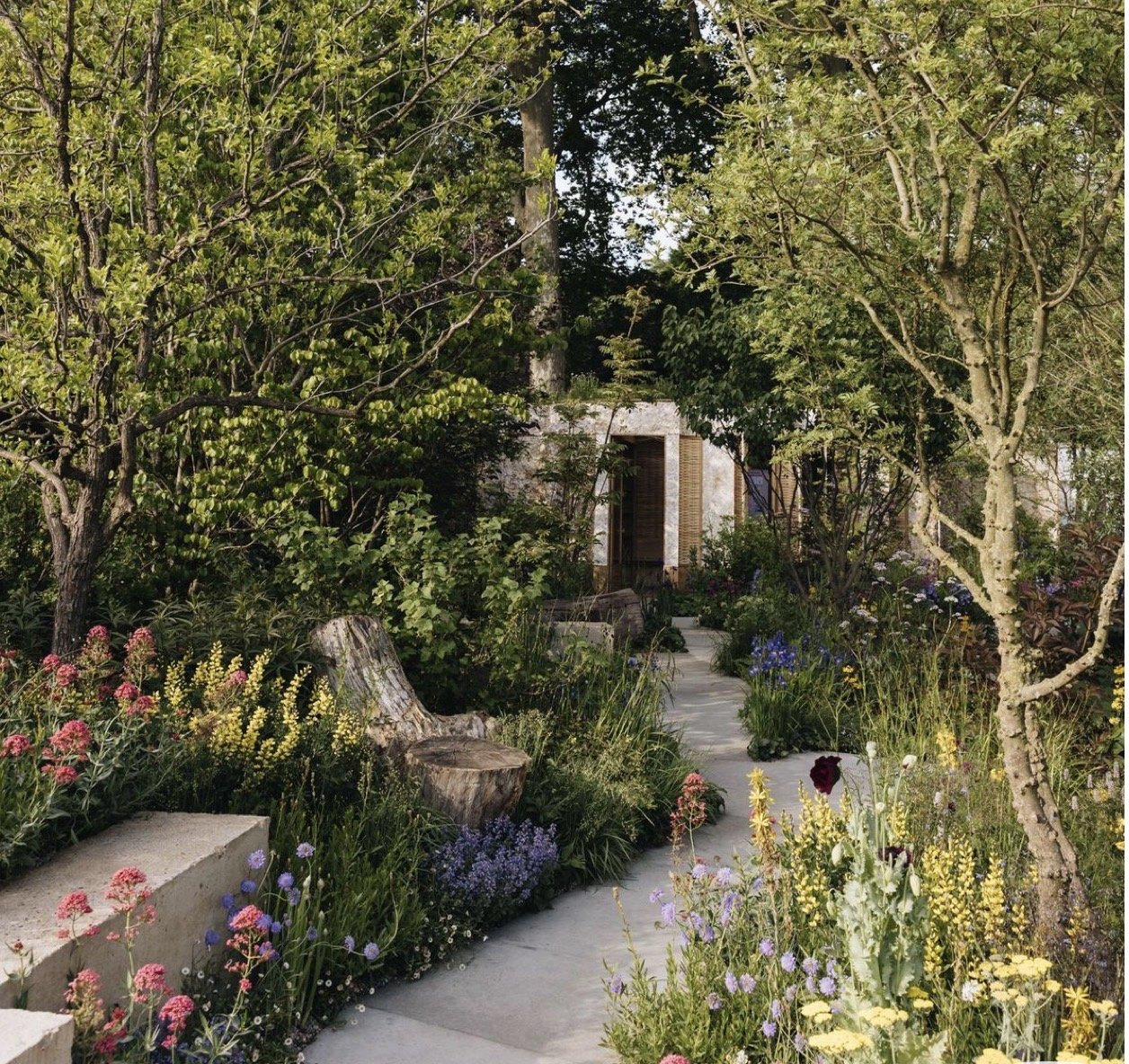
Welcome to a considered look at the Chelsea Flower Show 2025 through the lens of the designer show gardens exhibited. Embracing the Chelsea vibe means embracing colour, design, sustainability, and storytelling. Whether you’re a keen gardener, a casual admirer, or a photographer seeking the perfect shot, Chelsea Flower Show 2025 promises colour, creativity, and conversation in equal measure.
If you’re dreaming up ideas for a UK garden, this post pulls out the trends that impressed judges and delighted visitors, and it translates them into practical steps for domestic spaces across Britain. Theme-by-theme, you’ll see what made each garden special and how you can adapt the concept to suit our climate, budget, and daily life. 🌿🏅
A quick snapshot: the Chelsea Flower Show 2025 key garden design trends
The Chelsea Flower Show remains the pinnacle of UK garden design, where show gardens translate grand concepts into tangible landscapes. From the latest plant introductions to bold structural forms and water-conscious design, the show offers a preview of what’s possible in British gardens. This blog distills the trends that cropped up most prominently in the show gardens exhibited. The aim is to help you bring show-stopper ideas to your garden at home in a practical, attainable way. For each trend, you’ll read what impressed the judges, what appealed to the public, and how to implement it in UK gardens today.
1) Sustainable, water-wise planting and irrigation
What it is: Planting schemes designed to minimise water use, combined with smart irrigation and moisture management.
Example: River & Realm garden by Brookfield Design Studio was a water-conscious garden that blends a meandering stream with drought-tolerant plantings and reflective pools. Thoughtful water management, clever terracing, and a cohesive palette that flowed from ash-gray foliage to jewel-toned blooms. Calming soundscapes, accessible viewing angles, and a sense of escapism right in central London.
Why judges loved it: A clear sustainability narrative paired with demonstrable care for resource use. Gardens that showed efficient irrigation, drought-tolerant planting, and seasonal resilience stood out for their environmental responsibility.
Why the public loved it: Accessible, low-maintenance beauty even in tough summers; visitors could imagine vibrant yet practical planting.
How to implement at home (UK):
Choose drought-tolerant natives and Mediterranean-adapted perennials that still thrive in the UK’s wet-and-dry cycles (e.g., Echinops, Sedum, Phlomis, Nepeta).
Install a simple drip irrigation system or smart watering timer to conserve water, if you absolutely need it.
Mulch to reduce evaporation and soil temperature swings.
Collect rainwater with a barrel for pots and borders.
2) British native and Mediterranean-adapted planting for pollinator-friendly themes
What it is: Plant palettes rooted in native British and Mediterranean-adapted species, with deliberate nectar sources across seasons to support bees, butterflies, and other wildlife.
Example: Meadows of Tomorrow garden by Petal & Pine was a native British meadow revival with pollinator-friendly species and wildflower mixes. It provided a strong ecological message, biodiversity benchmarks, and a curriculum-friendly planting plan that demonstrated pollinator support. A stroll through suggested texture and colour, plus a “meet the pollinators” corner that educated visitors about bees and butterflies.
Why judges loved it: Strong ecological storytelling; evidence of biodiversity support alongside beauty and structure.
Why the public loved it: A sense of place and easier connections to familiar flora; a garden that feels “British” and approachable.
How to implement it at home (UK):
Build a pollinator-friendly border with a mix of native perennials and grasses (e.g., Campanula, Deschampsia, Echinacea, Cornflowers, Foxglove).
Include a small wildflower meadow strip or patch if space allows.
Use native shrubs for winter structure and year-round nectar sources for a pollinator friendly UK garden.
3) Edible planted landscapes blended with decorative ornamental planting
What it is: Gardens that integrate fruiting or culinary plants with ornamentals, creating edible beauty rather than a separate food plot.
Why judges loved it: A practical, inclusive concept showing that beauty and utility can coexist; a strong narrative about food productivity in a finite space.
Why the public loved it: A tangible, usable outcome, great for small urban plots and family spaces.
How to implement at home (UK):
Include compact fruiting shrubs (raspberries, blueberries) near seating areas for convenience.
Mix herbs and edible perennials with ornamental companions to maintain aesthetics and feed wildlife.
Use raised beds for vegetables and a trellis for vertical fruiting crops in edible garden design.
4) Bold architectural garden structures with timber, metal, and stone
What it is: Clean lines, geometric forms, and a strong sense of structure created with durable materials.
Why judges loved it: Each garden concept was legible from the outside as they visited the site, and these gardens offered a strong narrative arc with material honesty and beautiful craftsmanship.
Why the public loved it: A visually striking backdrops from built structures that provided a stage for beautiful planting and statement garden features.
How to implement at home (UK):
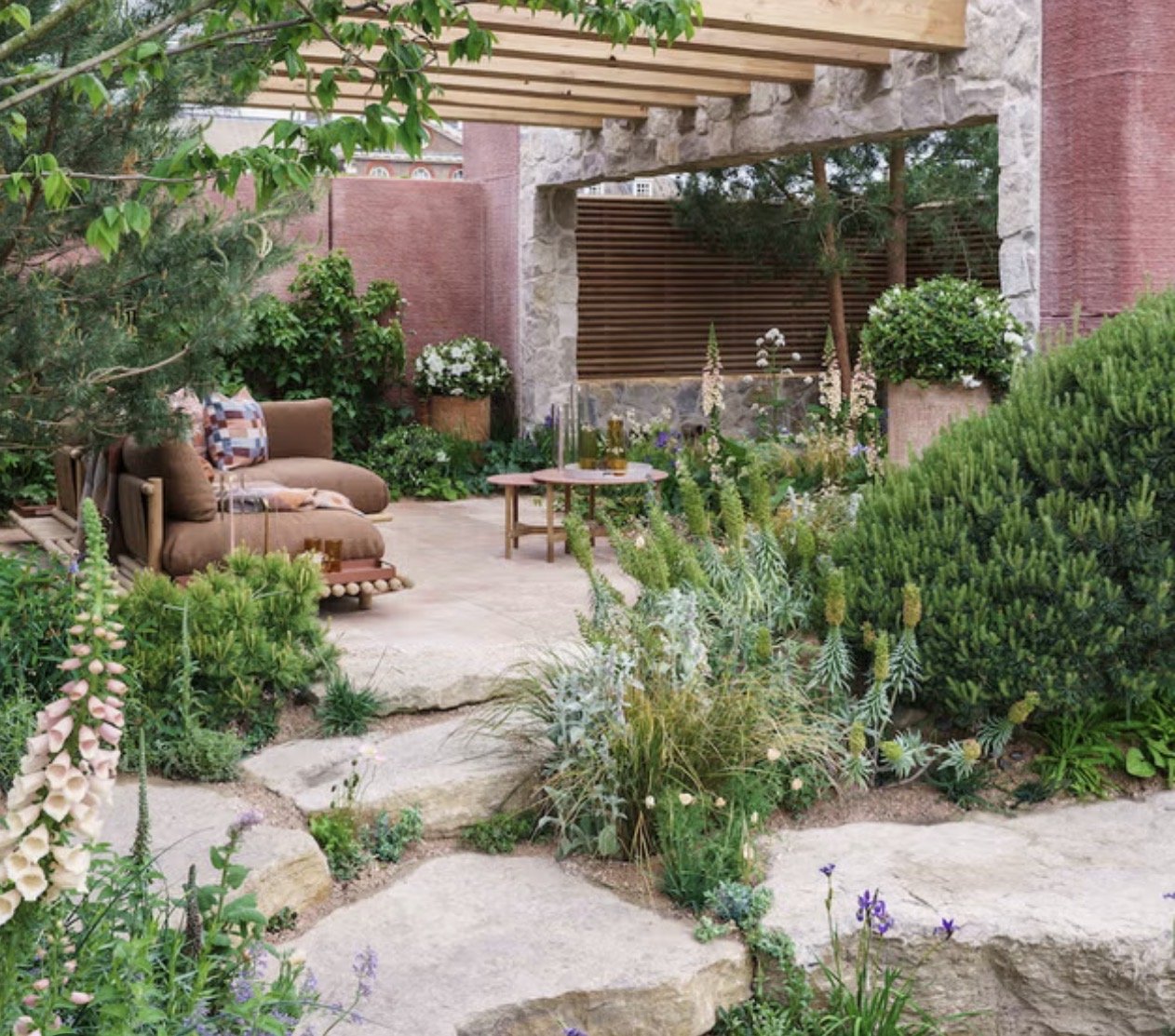
Introduce a statement pergola or timber-framed seating area with steel accents for modern UK garden design.
Hard landscaping ideas means using modular paving patterns and straight-edged beds to echo the architecture.
Pair natural stone with timber to achieve warmth and longevity in UK weather.
5) Integrated outdoor living and multipurpose spaces
What it is: Gardens designed as rooms for dining, relaxing, play, and work, with shade, shelter, and flexible furniture.
Why judges loved it: Demonstrated how a garden can extend living space while remaining aesthetically cohesive.
Why the public loved it: Practical inspiration for everyday life, especially for families and remote workers.
How to implement at home (UK):
Install a weather-protected seating zone (glazed room, pergola with a rain shade, or retractable canopy).
Plan zones, eg a dining area, reading corner, and a small play or practical work space.
Use durable, weather-resistant furnishings and easy-to-clean surfaces.
6) Water features and reflective surfaces
What it is: Ponds, pools, and reflective basins designed to catch light, generate natural sounds to relax and restore, create serenity, and support wildlife.
Example: The Quiet Corner garden by Willow & Reed provided a contemplative retreat featuring sensory textures, soft lighting, and a meditative water feature. The garden demonstrated emotional resonance and a cohesive sensory journey that balanced sound, sight, and touch.
Why judges loved it: A sense of peace and visual drama; water acts as a central narrative device that ties planting and architecture together.
Why the public loved it: Sensory moments—sound, light, movement—that make a garden feel alive.
How to implement at home (UK):
Start with a small, wildlife-friendly pond or a shallow reflective basin.
Pair water with evergreen and seasonal planting to frame the feature year-round.
Consider safety and maintenance, eg secure edges and easy access for cleaning.
7) Green walls and vertical planting
What it is: Living walls or vertical plantings that maximize green coverage in compact spaces.
Example: The Living Canopy garden by Lumen Landscapes offered vertical garden towered by evergreen climbers and seasonal blooms, weaving a living canopy over a timber frame terrace. Innovative use of vertical space to maximise planting density without compromising airflow; sustainable framing from reclaimed timber; strong narrative about woodland resilience.
Why judges loved it: Dramatic vertical space usage and a tactile, immersive experience.
Why the public loved it: A lush, natural greening effect with with interactive misting and a photogenic canopy that invites visitors to walk beneath; this would suit even small urban plots with lots of concrete.
How to implement at home (UK):
Use modular green wall systems or trellis-supported climbers with evergreen foliage.
Choose light-loving plants for sunny spots and shade-tolerant varieties for rear walls when creatring a UK vertical garden.
8) Colour storytelling and plant palettes
What it is: Cohesive colour stories, often paired with contrasting textures to create mood and rhythm.
Why judges loved it: Clear intentionality; colour as a narrative device helped convey concept and emotion, eg hotcolours for vibrancy and pastels for serenity.
Why the public loved it: Visually engaging, easy to recreate with guidance and makes a change from ‘rainbow gardens’ which appear undifferentiated and bland.
How to implement at home (UK):
Pick 2–3 main colours and 2 supporting neutrals; repeat across borders and focal points.
Layer textures (foliage, flowers, seed heads) to keep interest through the seasons for chohesive plant palettes and seasonal interest.
9) Recycled, sustainable materials and low-maintenance aesthetics
What it is: A focus on durability and circular design—reclaimed timber, brass, recycled composite materials, and low-maintenance finishes.
Why judges loved it: Ethics and aesthetics combined; a modern, responsible approach that aged gracefully.
Why the public loved it: Practical, cost-aware, and easy to implement if an existing site already has materials to reeuse.
How to implement at home (UK):
Source local reclaimed timber for fencing, edging, or screens.
Choose hard-wearing surfaces like porcelain, granite, or natural aggregates.
Simplify planting to reduce maintenance while preserving impact.
10) Accessibility, inclusivity, and step-free design
What it is: Gardens designed with all ages and abilities in mind, featuring level access, seating at multiple heights, and safe pathways.
Why judges loved it: Demonstrated social responsibility and broad appeal; the best gardens are usable by more people.
Why the public loved it: Comfort and usability; spaces that invite everyone to enjoy the garden.
How to implement at home (UK):
Create wide, smooth pathways with gentle gradients to ensure your garden is designed for disabilities.
Provide seating at varying heights and ensure adequate lighting.
Choose non-slip surfaces and easy-to-maintain planting schemes.
Bringing the Chelsea magic into your UK garden
If you’re inspired by the Chelsea Flower Show 2025 and the designeer show gardens exhibited, you can start with small, practical steps:
Pick one trend to test this season—perhaps a compact edible border or a small vertical garden—and scale up as you refine.
Use plant lists and material choices that suit the UK climate and your local conditions.
Plan for maintenance: choose designs that fit how much time you realistically want to invest.
And if you’d like more tailored ideas, I can help you draft a season-by-season plan for your space, with plant lists suited to your soil type, sun exposure, and budget.
The Chelsea Flower Show 2025 continues to push designers toward bolder, smarter, and more inclusive gardens. The designeer show gardens exhibited reveal a through-line: great design blends storytelling with practicality. By translating these trends into domestic UK garden projects, you can enjoy the drama of a show garden—without sacrificing usability, climate resilience, or maintenance practicality.
If you enjoyed this breakdown, stay tuned for more practical garden ideas, seasonal planting guides, and tips on turning high-design concepts into everyday UK garden reality. And as always, whether you’re planning a small urban plot or a larger suburban space, your best show garden is the one you’ll live in every day. 🌼🛠️