Shady garden design tips and cornerstone Plants
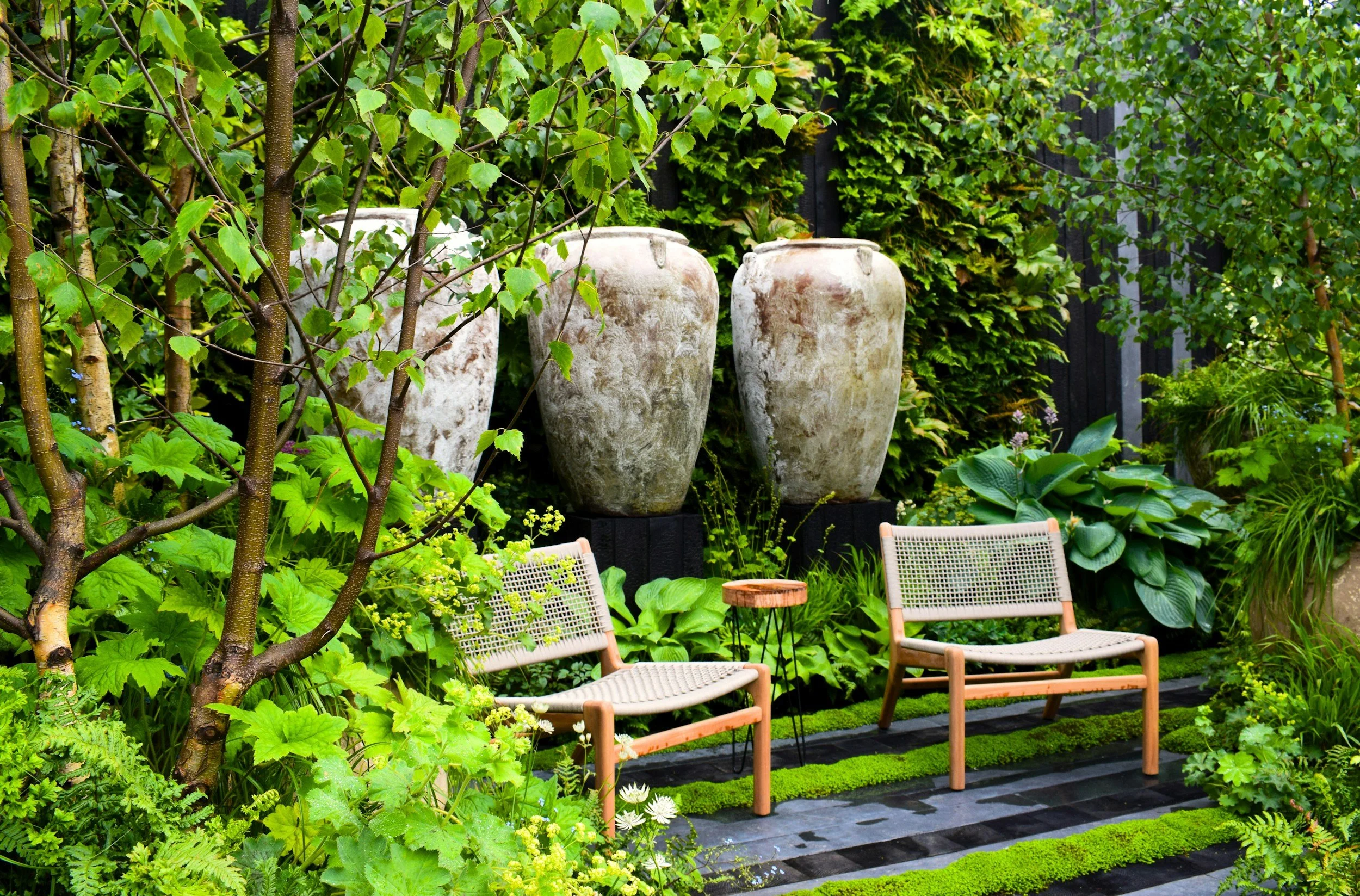
If you’re dreaming of a lush, low-maintenance shade garden that thrives in a UK climate, you’re in the right place. This guide shows how to achieve a UK-hardy shade garden with practical, steps. You’ll discover design tips for hard landscaping, planting plans that suit damp or dry soils, and cornerstone plants that provide structure year-round. By following these strategies, you’ll create a garden that remains vibrant from frost to late autumn and looks good.
Tips for hard landscaping in a shady garden
Hard landscaping serves as the backbone of any shade garden. In the UK, where damp spells, frost, and variable light are common, smart choices keep your space functional and beautiful.
Choose moisture-smart materials: Opt for paving and edging that tolerate damp conditions without becoming slippery. Textured porcelain, slate, or compacted gravel paths with gentle drainage are resilient in UK shade gardens. Winter greening and moss is common, so ensure you purchase materials that can be easily cleaned, even jet washed, as part of your spring clean. Use hardy, low-maintenance hardscape elements that won’t rot or warp in wet UK winters. Treat timber with weatherproof sealant and consider stone or concrete alternatives for long life. Use a mix of stone, brick, and timber edging to define beds, while keeping joints tight to avoid soil erosion under heavy rain. Shade gardens tend to stay damp, especially in winter. Incorporate a mild slope, French drains, or a shallow trench with perforated piping to move excess water away from beds.
Elevate lighting and create micro-areas with vertical structure: Install low-voltage garden lighting on focal points, seating areas, statement plants and pathways. Use reflective surfaces (light-coloured gravel, pale stepping stones, a garden mirror, or a white-painted wall) to brighten sheltered corners that receive little sun. In limited sun, vertical features like a trellis, a larch screen, or a tall evergreen shrub add height and cast appealing shadows. This helps a small UK shade garden feel larger. Consider the best places to circulate or stop and sit, planning key spots for sun or shade with seating or sun loungers will help make the place feel intimate and tailored to your needs.
If you’re aiming to design a UK-hardy shade garden, these hard landscaping tips help you achieve a durable framework. A well-planned skeleton reduces maintenance and makes planting decisions easier later.
Planted border design for resilient shady garden planting
Planting in shade is about selecting the right species for the right moisture, soil type, and light level. The goal is year-round interest, not just summer colour.
Know your shade and soil type: Light shade (bright, dappled) vs. deep shade (no direct sun for most of the day). Your planting plan should tailor species to each microclimate. UK soils range from clay-heavy to chalky. Add organic matter (compost, manure) to improve texture, drainage, and moisture retention for healthier roots. In damp spots, avoid plants that hate soggy feet. Use raised beds or mounded soil to elevate roots and improve drainage.
Planting palette for shade: Choose a mix of foliage interest, spring blooms, and winter structure. Pair evergreen options with seasonal bloomers to maintain visual interest across the year. A balanced blend keeps the garden attractive across seasons. In shade, plants often grow more slowly but can become crowded. Regular thinning, dividing every few years, and light feeding promote vigor without encouraging leggy growth. Create layers to maximize density and resilience, for example:
Backbone (tall, evergreen or semi-evergreen): Hosta varieties, Dryopteris ferns, Carex grasses.
Mid-layer perennials: Astilbe, Hellebores, Pulmonaria, Brunnera.
Groundcover: Epimedium, Heuchera, Vinca minor (where appropriate), Epimedium x versicolor.
Seasonal accents: Early spring Pulmonaria and Hepatica, late spring Blooms from Helleborus, summer color from Astilbe.
Cornerstone plants: Form the permanent framework of your shade garden. They provide structure, structure, and seasonal shape, even when other plants are dormant. Here are reliable options suitable for many UK shade conditions. Use a mix of evergreen and deciduous varieties to ensure winter and summer interest:
Hosta (plantain Lily) – Broad, durable leaves add mass and texture in partial shade. Choose varieties with varied leaf color (green, blue, or variegated) for year-round impact. Tip: keep the soil consistently moist.
Ferns (e.g., Dryopteris, Athyrium) – Classic shade companions. Their feathered fronds give soft movement and evergreen structure in mild winters.
Helleborus (Lenten rose) – Early bloomers that brighten winter-to-spring shade beds. Evergreen or semi-evergreen foliage provides winter interest.
Epimedium (Barrenwort) – Low-growing, evergreen groundcover with delicate flowers and striking foliage. Excellent for underplanting and suppressing weeds.
Pulmonaria (Lungwort) – Spotted leaves and spring flowers. Great for adding color before other perennials wake up.
Astilbe – Feathery plumes add vertical drama in moist shade spots. Choose varieties with different bloom times for extended color.
Brunnera macrophylla (False Forget-Me-Not) – Heart-shaped leaves and delicate blue flowers; ideal for brightening deep shade.
Carex (Carex spp.) – Ornamental grasses provide texture and winter interest. Seek non-invasive, clumping varieties suitable for shade.
Ephemeral evergreen groundcovers (e.g., Heuchera, Geranium macrorrhizum) – Add color and drought tolerance in mixed borders.
Vinca minor (periwinkle) or Hedera helix (ivy) as climbers or groundcovers – Use cautiously to avoid invasiveness; they can fill gaps and provide evergreen cover when other plants are sparse.
Cornerstone plants should be chosen for their hardiness, low maintenance needs, and their ability to perform well in UK shade through multiple seasons. A thoughtful planting plan built on these principles yields a UK-hardy shade garden that looks vibrant year-round and remains relatively low-maintenance.
Quick start checklist
Assess light levels and soil type. Decide which microclimates exist in your garden (bright shade vs. deep shade).
Plan your hard landscaping first: paths, borders, edging, and drainage.
Choose cornerstone plants with a mix of evergreen structure and seasonal interest.
Layer planting for texture: tall backbones, mid-range perennials, and groundcovers.
Prepare soil with organic matter, improve drainage where needed, and mulch well.
Create a simple seasonal maintenance routine to keep the garden thriving year-round.
If you follow these steps, you’ll create a UK-hardy shade garden that stands up to damp winters, light shade, and occasional sun, while remaining visually engaging.
A UK-hardy shade garden is entirely achievable with thoughtful hard landscaping, smart planting choices, and sturdy cornerstone plants. By focusing on structure, moisture management, and seasonal interest, you’ll build a garden that looks beautiful. Ready to start but need a little help? We can adapt the plan to your site and region within Essex or Suffolk and implement it for you.