New gardens to explore across the UK in 2026!
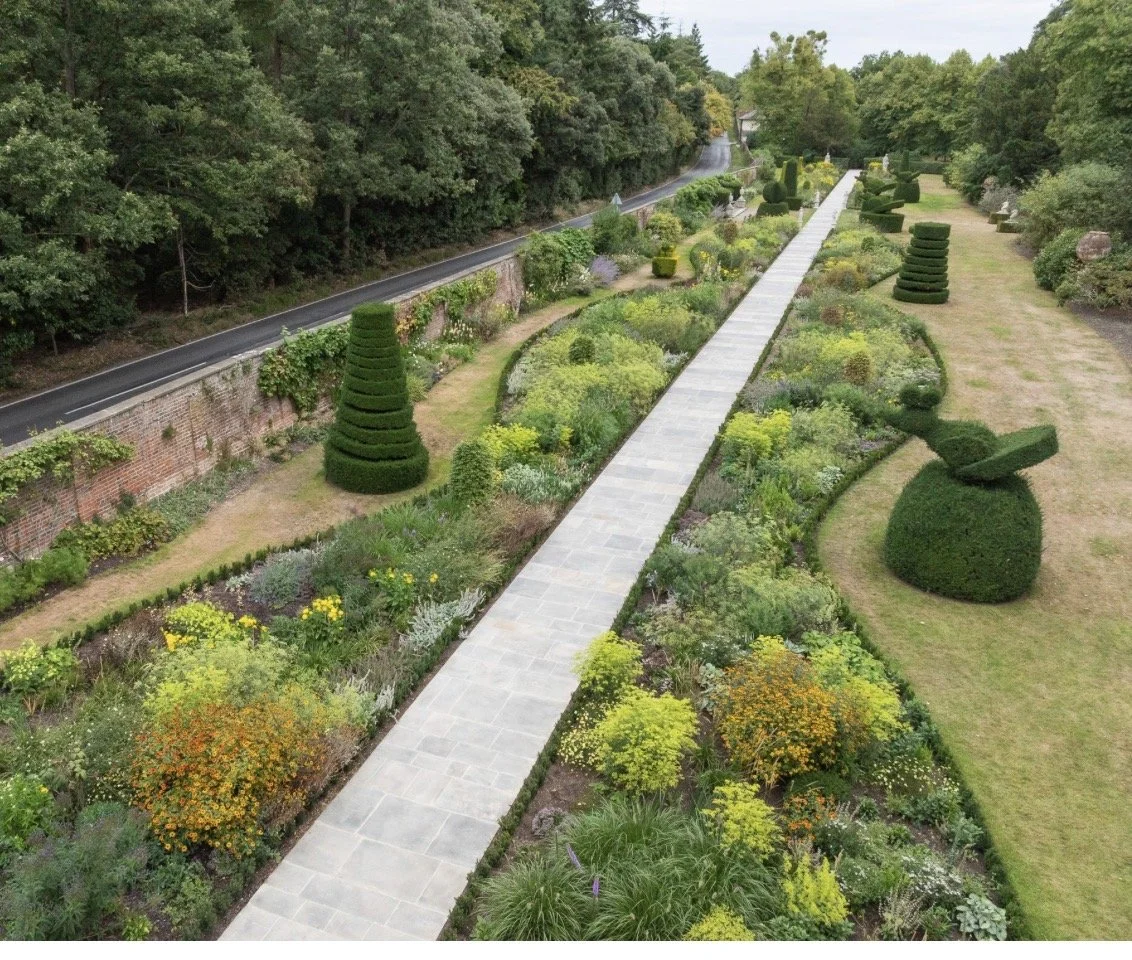
Cliveden Long Garden, Berkshire
Need to get out and explore some professional gardens for inspiration? Well, here is your guide to a few inspirational outdoor spaces, focusing on what they cover (themes, features) and practical tips for visiting in 2026. Please note that opening times, access, and features can change year to year, especially for estate gardens with seasonal programs. Always check the official site for up-to-date details before you go.
Bowood House Walled Garden (Wiltshire)
What it covers: Historic walled garden combines useful kitchen garden production with ornamental planting in restored borders, glasshouses, fruit trees, edible beds, and herbal plots.
Tips for visiting in 2026: Typically best in spring and summer when fruiting and flowering displays are at their peak. Often part of the Bowood estate visit; plan to combine with house/gardens tickets.
Carbon Garden at the Royal Botanic Garden, Kew (London)
What it covers: Themed garden area focusing on carbon cycling, climate resilience, and plant-based solutions. Showcases plant selections and habitat features that illustrate carbon capture, storage, and ecosystem services.
Tips for visiting in 2026: Plan a broad day to explore multiple zones in addition to the Carbon Garden.
Cliveden: The Long Garden (Berkshire)
What it covers: A classic formal border/terrace garden with structured planting and seasonal colour. Dramatic views and access to surrounding grounds and the Thames-facing terraces.
Tips for visiting in 2026: A National Trust property. Spring and early summer deliver strong color; autumn offers rich tones. Allow time for both the Long Garden and a stroll along the broader estate.
Garden for the Future at Sheffield Park and Garden (East Sussex)
What it covers: A climate-conscious planting concept focusing on biodiversity, sustainable gardening, and future-proofed borders.
Tips for visiting in 2026: Combine with a visit to the National Trust’s other garden features in the area. Look for seasonal planting changes and any guided tours or workshops.
Natural Dye and Wellbeing Garden at the National Theatre (London)
What it covers: A garden space associated with natural dye plants (madder, woad, indigo, etc.) and wellbeing-focused planting. Combines horticulture with arts/science storytelling; may host demonstrations or workshops.
Tips for visiting in 2026: Check for public access days, events, or tours linked to the theatre program.
Horatio’s Garden (Sheffield & East)
What it covers: A charity that designs therapeutic, accessible gardens for spinal-injury patients. Sites in Sheffield and the East involve inclusive planting schemes and contemplative spaces.
Tips for visiting in 2026: Gardens are often for healing and therapy; public access may be on specific open days or events. Expect accessible pathways and considerate design aimed at visitors with restricted mobility.
The Winter Garden at RHS Rosemoor (Devon)
What it covers: A dedicated winter garden offering evergreen and winter-interest planting—grasses, heathers, conifers, winter blooms. Designed to provide color and texture when many plants are dormant.
Tips for visiting in 2026: Winter visits reveal a different, serene beauty; pair with a daytime visit to the broader Rosemoor grounds. Check for any winter-specific events, tours, or lighting displays. There are on-site facilities (café, shop); plan enough time to stroll the whole garden.
Hauser & Wirth Garden (Somerset)
What it covers: A garden space at Hauser & Wirth Bruton that blends contemporary sculpture with horticulture. Designed to complement the gallery’s artistic program; seasonal planting cycles and curated displays.
Tips for visiting in 2026: Combine with a gallery visit to enjoy both art and garden landscapes. Look for family-friendly, artist-led, or seasonal programs that may be offered.
Sandringham House & Garden (Norfolk)
What it covers: Historic estate gardens including formal parterres, wide avenues, woodland walks, and ornamental plantings. Part of the Sandringham Estate; typically linked to royal garden heritage and seasonal displays.
Tips for visiting in 2026: The estate often runs seasonal open days; mornings can be quieter. Bring a full day if you want to explore the house, museums, and surrounding parkland.
Ashby Manor House Garden (Warwickshire)
What it covers: A country-house garden with borders, lawns, and possibly a kitchen garden or herbarium area.
Typically private but may host charity days or limited public openings.
Tips for visiting in 2026: Look for opening dates tied to charity events or garden openings. Private estate gardens often have limited access; book ahead where possible. A quieter, intimate garden experience—great for a gentle day out.
Raby Castle Gardens (County Durham)
What it covers: Magnificent formal and informal garden spaces within the Raby Castle estate. Features may include parterres, water features, restored glasshouses, and extensive perennial borders. Part of a substantial historic park with a castle setting and deer park nearby.
Tips for visiting in 2026: Plan a full day to enjoy the garden, castle interiors (if open), and grounds. Check seasonal highlights (spring bulbs, summer borders, autumn color). Some areas may be seasonal or require guided tours—book ahead if possible.
Quick planning notes for 2026
Timetables and access vary by garden, ownership, and season. Always verify:
Open/closed days and hours
Ticketing (online pre-booking often recommended)
Accessibility and mobility considerations
On-site facilities (café, shop, toilets)
Any restrictions (dogs, photography, group visits)
Booking tips
Pair garden visits with nearby properties to make efficient day trips.
If you’re visiting multiple sites in a region, map a sensible route to minimize driving time.
Look out for special events (floral displays, workshops, plant sales) that may enrich your visit.
Seasonal bests
Spring: wave of bulbs, fresh growth, structured borders.
Summer: abundant color, fruiting beds, extended open hours.
Autumn: foliage color, late-blooming borders, harvest displays.
Winter: evergreen interest, winter textures, quiet atmosphere at many sites.