Resilient UK herbaceous perennials and grasses that cope with wet to dry conditions
The UK climate swings between damp winters and sometimes dry summers. The following herbaceous perennials and grasses are renowned for being robust and relatively forgiving to those moisture swings. They tend to establish well, tolerate a range of soil moisture (as long as there’s good drainage in wet spots and adequate moisture during establishment), and require modest maintenance.
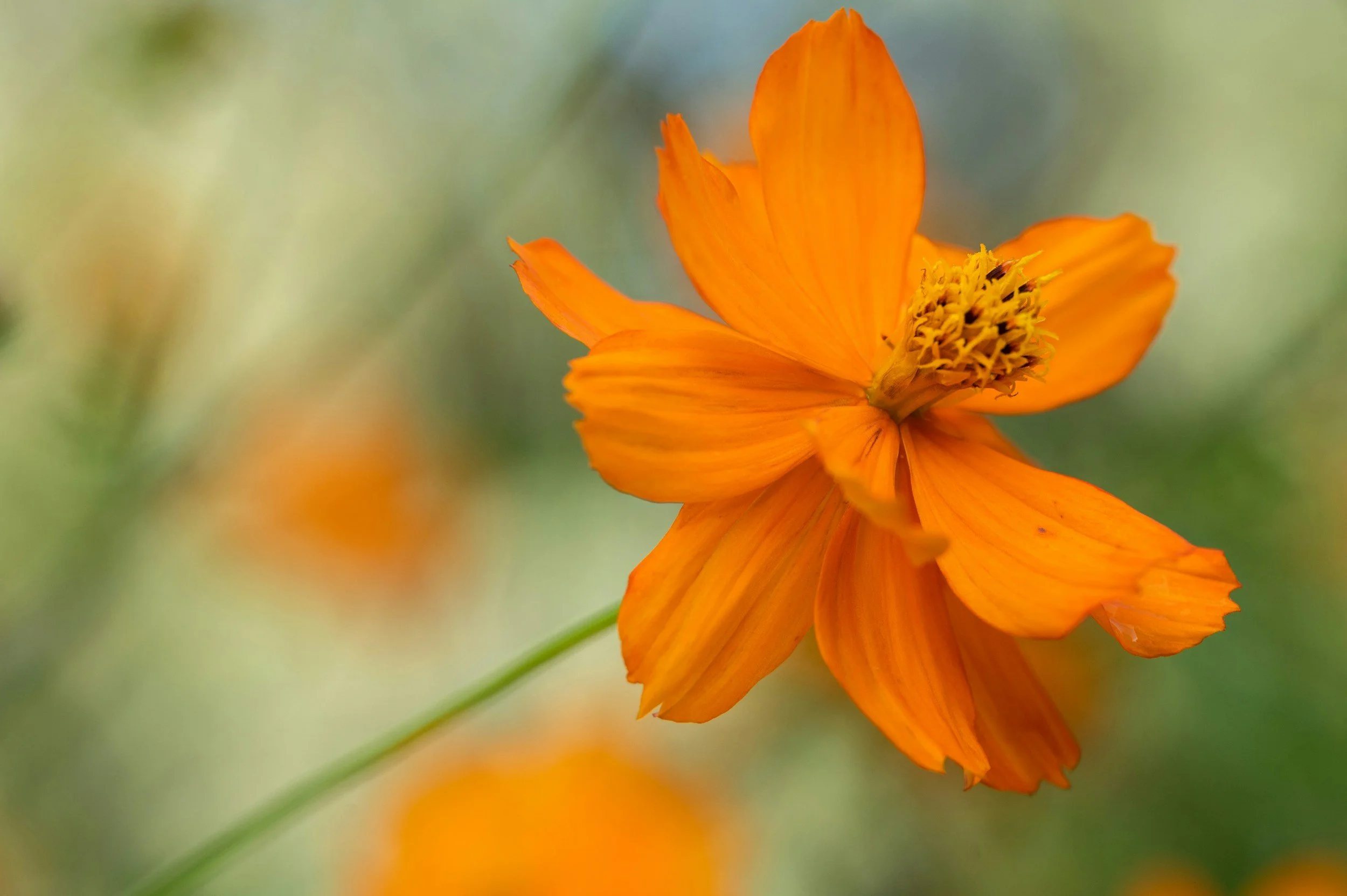
UK herbaceous perennials for wet to dry conditions
Top picks (reliable across wet/dry cycles)
Echinacea purpurea (Purple Coneflower) — Drought-tolerant once established; generally handles occasional wet patches. Full sun; sturdy, long flowering; good for borders and pollinator-rich areas.
Rudbeckia fulgida 'Goldsturm' (Black-eyed Susan) — Very tough, flowers well in sun and can tolerate some moisture; prefers well-drained soil but isn’t fussy. Mid-to-tall, bright, long-lasting blooms.
Heliopsis helianthoides 'Summer Sun' (False Sunflower) — Extremely hardy; tolerates heat, drought, and periods of wet weather. Needs sun; offers tall, airy plumes of gold.
Gaillardia (Blanket Flower) — various cultivars (e.g., Gaillardia aristata) — Very drought-tolerant; thrives in poor, sandy soils but adapts to a range of moisture levels if drainage is decent. Bright, long-flowering heads; sun-loving.
Sedum spectabile 'Autumn Joy' (Stonecrop) — Exceptional drought tolerance; also tolerates occasional damp if drainage is good. A hardy, low-maintenance succulent perennial with late-season colour.
Achillea millefolium (Common Yarrow) — Extremely drought-tolerant and adaptable to poorer soils; loves sun. Blooms on flat-topped clusters; great for borders and wildlife.
Persicaria amplexicaulis (formerly Polygonum) — e.g., 'Firetail' — A superb moisture-tumper: strong in damp borders and tolerant of drier periods once established. Likes sun to partial shade; attractive tall spikes.
Geranium macrorrhizum (Cranesbill) — e.g., 'Bevan’s Variety' — Very tough, evergreen foliage, drought-tolerant once established; handles light shade and is good for slopes and rockeries.
Geranium x cantabrigiense or Geranium 'Rozanne' — Hardy, relatively forgiving with moisture; good groundcover for mixed borders; tolerates a range of soils and sun.
Salvia nemorosa (Wood Sage) — e.g., 'Caradonna' / 'May Night' — Tough, drought-tolerant in sun; handles periodic wet soil if drainage is decent. Long bloom and good for borders.
Calamagrostis x acutiflora 'Karl Foerster' (Feather Reed Grass) — A hardy ornamental grass that tolerates a wide moisture range; good for structure in borders and can cope with wetter sites if not waterlogged; excellent year-round presence.
Pennisetum alopecuroides (Fountain Grass) — e.g., 'Hameln' — Very adaptable; tolerates drought and transient wetness; loves sun; graceful vertical texture.
Quick note: no plant adores being constantly waterlogged or permanently arid. The recommended choices above are those that tolerate a spectrum of moisture conditions once established. In very wet soils, aim for plants that prefer better drainage and consider raised beds or improved soil structure. In very dry soils, mulch, consistent establishment irrigation in the first season, and deep rooting varieties help.
Quick care tips to maximise resilience
Improve drainage where needed: If you have heavy clay or soggy spots, amend with organic matter and consider raised beds or planting on a slight mound.
Establish with regular moisture: Water newly planted perennials during dry spells for the first growing season; once established, many will cope with natural UK variability.
Mulch: A 5–6 cm layer of organic mulch helps retain moisture in drought and moderate soil temperature in wet periods.
Sun exposure: Most of the above prefer full sun for best vigor and flowering; a few (like Geraniums) tolerate partial shade but may not bloom as prolifically.
Fertility: Moderate feeding in spring with a balanced, slow-release fertilizer supports resilience; avoid overfeeding to reduce flop-and-fade in heavy rain.
Divide and prune: After flowering, deadhead or cut back to encourage fresh growth and maintain vigor. Remove any clearly waterlogged or rotting tissue.

Ornamental grass
Resilient UK ornamental grasses that cope with wet and dry conditions
Here are reliable, garden-tested grasses for the UK that tolerate a range of moisture—from wet margins to dry sunny spots. They’re hardy, relatively low-maintenance, and provide good winter interest.
Top all-rounders (great in mixed wet/dry sites)
Calamagrostis x acutiflora 'Karl Foerster' (Feather Reed Grass)
Size: about 1.2–1.5 m tall
Light: full sun to light shade
Moisture: tolerates damp soils once established; also handles drier periods
Why it’s reliable: upright, architectural seed heads; excellent winter interest; long-lasting clump; low maintenance (cut to ground in spring)
Molinia caerulea (Moor Grass) — popular cultivars include Moor Grass in general (e.g., ‘Skyracer’)
Size: typically 1.0–1.3 m tall
Light: sun to light shade
Moisture: thrives in moist, even wet soils; tolerates drier summers once established
Why it’s reliable: soft, airy inflorescences; good for damp borders and shading; robust and long-lived
Deschampsia cespitosa (Tufted Hair Grass)
Size: 0.4–0.8 m tall depending on cultivar
Light: sun to partial shade
Moisture: adaptable to wet or drier soils; great for damp edges and rock gardens
Why it’s reliable: delicate, cloud-like plumes; fantastic in windswept or seaside locations; low maintenance
Classic show-stoppers (for moisture-rich or wetter edges)
Miscanthus sinensis (Maiden Grass) — consider cultivars like 'Gracillimus' or 'Morning Light'
Size: 1.2–2.0 m tall depending on cultivar
Light: full sun
Moisture: prefers consistent moisture; tolerant of drought once established but avoid permanent waterlogging
Why it’s reliable: spectacular autumn/winter plumes; strong architectural presence; excellent for screening
Borders and containers (compact to mid-height)
Pennisetum alopecuroides (Fountain Grass) — common cultivar: 'Hameln'
Size: about 0.6–0.8 m tall
Light: full sun
Moisture: tolerant of a range of moisture conditions; dislikes soggy ground in winter
Why it’s reliable: arching, fluffy flower spikes; good for edging or containers; good drought tolerance once established
Panicum virgatum (Switchgrass) — versatile native option
Size: typically 1.2–2.0 m tall depending on cultivar
Light: full sun
Moisture: very adaptable; tolerates wet soils and dries out in summer if necessary
Why it’s reliable: strong winter structure; excellent for naturalistic borders and prairie-style schemes; supports biodiversity
Pro tips for ornamental grass resilience in the UK
Site choice matters: aim for sunny, well-drained spots. If you have heavy clay or regularly waterlogged patches, Moor Grass (Molinia) or Feather Reed Grass (Calamagrostis) tend to perform best.
Plant in good soil, with some organic matter, and avoid waterlogged trenches. If drainage is a problem, raise the bed or plant on a gentle mound.
Be patient with establishment: many grasses establish their resilience after the first season or two. Water regularly until established, then rely on drought tolerance.
Maintenance: cut back grasses in late winter/early spring before new growth appears. Remove debris to keep pests and diseases at bay.
Combinations: mix tall vertical grasses (Karl Foerster, Switchgrass) with mid-height varieties (Deschampsia, Fountain Grass) for year-round structure and movement.