Garden Design & Planting Books of note
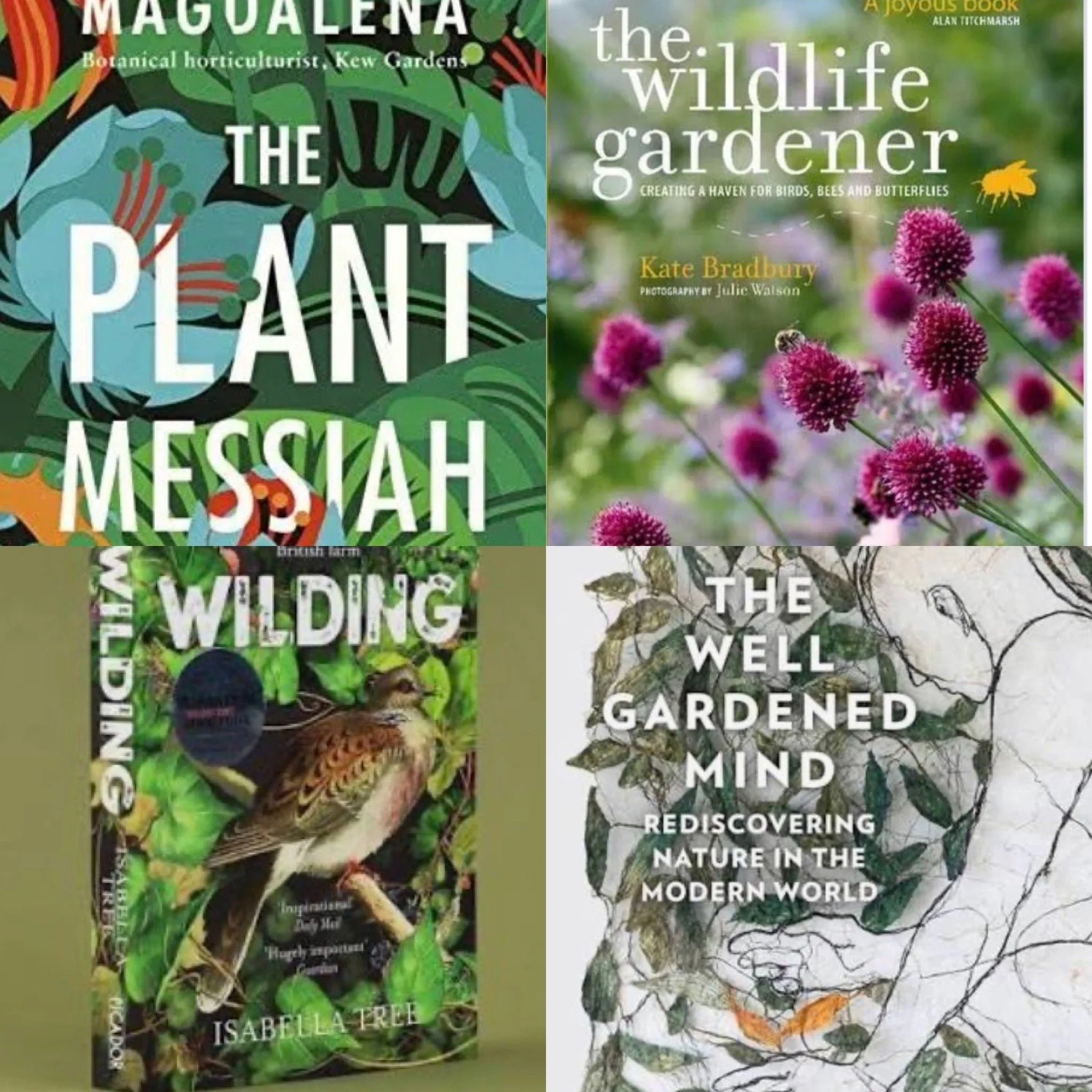
Here’s a best-effort, non-ranking list of a top four English-language books that have had notable presence in the UK market over the last decade. This is grounded in UK retailer presence, press coverage, and reader reviews, not a precise UK sales ranking.
The Well-Gardened Mind — Sue Stuart-Smith — 2019
What it covers: Explores how gardening and contact with nature support mental health and well-being. Combines design insight with reflections on plants, seasons, and the human-nature relationship.
Why readers like it: Accessible, thoughtful blend of science, memoir, and practical garden guidance. Beautiful imagery and compelling case studies that feel actionable, not preachy.
Best-use scenarios: Any garden space (urban or rural) seeking a calming, restorative design approach.
Notable extras: Rich photography, season-by-season reflections, and design ideas embedded in narrative.
Quick pick: Great for designers, hobbyist gardeners, and anyone curious about the mental-health benefits of gardening.
Wilding: The Return of Nature to a British Garden — Isabella Tree — 2018
What it covers: A narrative and practical approach to rewilding small-to-medium gardens and landscapes. Case studies, soil health, plant selection, and letting nature lead design decisions.
Why readers like it: Provocative, inspiring, and deeply ecological; it challenges conventional lawn-first thinking. Readable blend of memoir, field notes, and design philosophy.
Best-use scenarios: Larger urban plots and rural gardens that want to invite wildlife and natural processes back.
Notable extras: Real-world examples, timelines, and measurable outcomes (biodiversity improvements).
Quick pick: For readers curious about nature-led design and wildlife-friendly planting.
The Wildlife Gardener — Kate Bradbury — 2019 (UK-focused reception around 2017–2019)
What it covers: Step-by-step guidance to transform a garden into a wildlife-friendly habitat. Native plant selections, seasonal planting plans, and practical habitat ideas.
Why readers like it: Clear, approachable instructions; strong emphasis on easy wins for biodiversity.
Best-use scenarios: Urban and suburban gardens of all sizes; gardeners who want wildlife-friendly outcomes without complexity.
Notable extras: Practical checklists, plant lists, and seasonal calendars.
Quick pick: Great for wildlife enthusiasts and beginner-to-intermediate gardeners aiming to support pollinators.
The Plant Messiah: Adventures in Search of the World’s Most Extraordinary Plants — Carlos Magdalena — 2019
What it covers: Personal stories from a plant scientist and conservator; exploration of rare and extraordinary plants. Illuminates how plant biology intersects with gardening, conservation, and horticulture.
Why readers like it: Engaging, narrative-driven, and rich with plant-curiosity; inspiration for plant-loving designers.
Best-use scenarios: For readers who want plant knowledge and conservation context that can inform design choices.
Notable extras: Behind-the-scenes looks at botanic gardens and plant-hunting journeys.
Quick pick: For plant nerds, designers, and anyone seeking deeper plant knowledge beyond aesthetics.