The rise of the ‘Mini Meadow’: how to turn a small lawn into a pollinator heaven
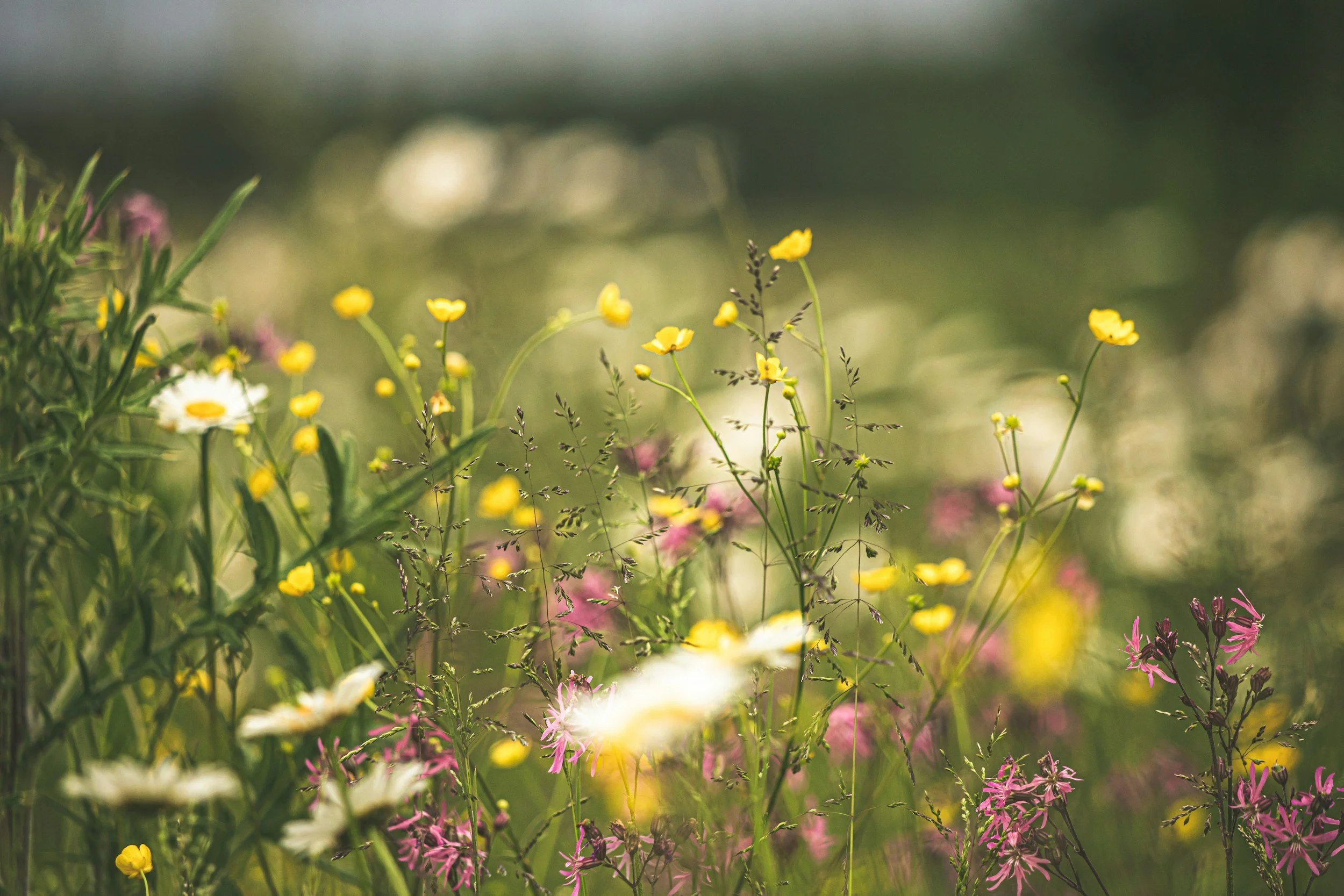
In recent years, gardeners and city dwellers alike have embraced a simple, powerful idea: culture a vibrant, pollinator-friendly space from a small patch of lawn. This shift — often called ‘the rise of the mini meadow’ — celebrates biodiversity, low-maintenance beauty, and a thriving habitat for bees, butterflies, and other crucial garden helpers. If you’ve ever wondered how to turn a small lawn into a pollinator heaven, you’re in good company. Here’s a practical guide to get you there, with ideas you can implement this growing season.
Be warned, however, that the mini meadow is not a space for ball games and constant foot traffic as gthe delicate ecosystem will be crumpled and wildlife disturbed. The mini meadow looks at it’s best April-June and will look quite scruffy the rest of the year. If this is still a requirement for your garden, a traditional lawn will be better suited to your needs.
Why the rise of the mini meadow matters
Wild flower meadows have evolved as a result of a regime applied to them for hundreds of years. Typically they would be cut for hay in July after which they might be grazed by cattle or sheep through into the autumn. This regular cutting and grazing reduces fertility to a level at which wild flowers can hold their own against vigorous grasses which otherwise would crowd them out. You can create similar conditions by stripping off the topsoil or – in time – by regular mowing and removing the cuttings.
Pollinators are essential: A thriving pollinator habitat boosts fruit and flower yields in nearby plants, gardens, and landscapes.
Small spaces, big impact: Even tiny lawns can produce a lush, colorful ecosystem with less mowing, more nectar, and greater biodiversity.
Low maintenance, long-term rewards: Once established, mini meadows typically need less water and fertilizer than a traditional lawn, while offering year-round interest.
Quick-start checklist
Choose a sunny or part-sunny patch and measure its size.
Decide on seed mix or plugs with a native, nectar-rich focus.
Remove or reduce turf.
Plant in groups, mulch lightly and water deeply during establishment.
Establish a mowing plan that supports pollinators (often only 1-2 cuts per year).
Embrace a maintenance routine that prioritises native plants and avoids pesticides.
Observe and document blooms, pollinators, and seasonal changes.
Step 1: Set your vision and assess the site
Sun and soil: Most pollinator-friendly meadows love sun, but many native plants tolerate partial shade. Check your soil type (compact clay, sandy, loamy) and drainage as this will impact the planting choice availability. Clay/Heavy Soil: Look for species like Ox-eye daisy, Red Campion, and Ragged Robin. Chalky Soil: Suitable for species like Bird's-foot trefoil.
Space planning: Measure your area and sketch a simple plan. Decide whether you want a formal edge, a meadow-like drape over a bank, or a playful mosaic of planted textures.
Accessibility and maintenance: Choose a layout that’s easy to weed, water, and mow (yes, this still needs to happen but a lot less than with a traditional manicured lawn). The goal is a sustainable, bee-friendly space that fits your lifestyle.
Tip: If you’re unsure where to start, begin with a small 6x6 ft patch. It’s a practical entry point into the trend of pollinator-friendly gardening and a good test for your climate.
Step 2: Design with natives and nectar in mind
The best way to create a pollinator paradise is to plant a diverse mix of native species and nectar-rich meadow flowers. A well-planned wildflower meadow mix supports bees, butterflies, moths, and beneficial insects throughout the growing season. The safest approach is to start just with a limited number of easy-to-grow plants then start adding more species later as soon as those are established.
Plant groups by bloom time for pollinators to feast on: Early-season, mid-season, and late-season nectar providers ensure a continuous food source.
Layer structure for a self-supporting structure and optimal visual appeal: Include taller plants for vertical interest, mid-height perennials, and ground covers or low-growing grasses to weave the meadow together. For example, Essex suitable planting includes wildflowers: Ox-eye daisy (often recommended as a "greedy" starter plant), Red Campion, Yellow Rattle (helps weaken grasses), Cowslip, and Common Knapweed, along with shrubs (for boundaries): Field Maple, Dog Rose, and Hawthorn.
Native focus with an eye on increasingly hot summers and the need for more mediterranean-style planting: Favour plants that are native to your region, but also include some of the non-native mediterranean climate planting that thrives in the UK. They’re better adapted to our changing climate and require less water and care.
Tip: If you’re unsure which natives to plant, check for region-specific seed mixes labeled for pollinator habitat:
Essex Wildlife Trust: Consult their Wildlife Explorer for a comprehensive list of wildflowers native to Essex, such as Dittander, Harebell, and Eyebright.
Wild Essex: Provides tailored meadow mixes (early vs. summer) based on soil type, which is crucial for success.
RHS Plants for Pollinators: Use their searchable database for region-specific native plants to support local insects.
Plantlife's "Good Meadow Guide": Offers guidance on which flowers thrive in specific soil types (e.g., lime-rich vs. acidic).
Step 3: Choose a practical planting approach
You have options for turning lawn into meadow, depending on your timeline, budget, and desired density:
Seed approach: A direct sow of a native wildflower mix or a pollinator seed blend. Great for small budgets and large, open areas.
Plug-and-grow: Install small meadow plugs that establish quickly and fill in with vigor. This works well for mid-sized patches and busy urban courtyards.
Hybrid approach: Start with plugs in the first year, then fill gaps with seed to create a fuller, more resilient meadow over time.
Tip: For a quick-to-see transformation, combine a light mulch to suppress weeds with a well-chosen seed mix. This helps reduce competition during establishment.
Step 4: Prepare the soil and reduce lawn competition
Clear the turf: For best results, reduce or remove the existing turf as grass will always seek to dominate. This lowers the risk of grass choking out new meadow plants.
Reduce mowing and disturbance: Limit lawn mowing height to encourage longer-lived perennials and reduce disturbance to delicate young plants.
Stop any form of chemical intervention: This means no more ‘weed and feed’ chemicals are to be used.
Tip: The goal is to create an environment that supports pollinators, while maintaining a garden that’s easy to care for.
Step 5: Plant, water, and establish
Establishment spacing: Plant perennials in groups to create visual blocks of color and easier nectar access for pollinators.
Watering schedule: Water deeply in the first weeks after planting. Once established, most mini meadows require less frequent watering.
Mulch lightly: A thin layer of mulch helps retain moisture and suppress weeds, but keep it light so seeds can germinate.
Seasonal note: Early spring and late summer are critical establishment windows.
Step 6: Mowing, maintenance, and the rhythm of a pollinator habitat
Mowing strategy: Instead of a weekly lawn cut, mowing a mini meadow a couple of times a year can benefit pollinators and prevent woody plants from taking over. A late-winter or early-spring cut, leaving some flowering stems through the winter, supports overwintering insects.
Pest management: Avoid chemical pesticides. Support pollinators with a healthy ecosystem—beneficial insects often control pests naturally.
Weeding: Hand-pull persistent weeds during establishment and pull early to reduce competition.
Maintenance mindset: A mini meadow is a living elder that needs seasonal attention, not a rigid lawn. The payoff is a resilient, pollinator-friendly landscape that ages gracefully with ecological value.
Step 7: Celebrate seasonal blooms and wildlife
Spring: Early nectar providers come online; watch bumblebees and solitary bees explore blossoms.
Summer: A vibrant display of color and texture with continued nectar for a broad range of pollinators.
Fall: Native perennials often set seed heads that still offer food value for insects and birds, while providing winter interest.
Seasonal design ideas:
Include evergreen structure or seed heads for winter interest and late-season nectar.
Leave a few seed heads intact to feed birds.
Create small microhabitats: shallow water dishes, rock piles, or logs for solitary bees and beetles.
Step 8: The practical benefits beyond beauty
Biodiversity boost: A mini meadow supports a wider range of insects and soil organisms than a traditional lawn.
Water and resource efficiency: Native plantings typically require lower irrigation once established.
Habitat connectivity: In urban areas, every patch matters. A pollinator heaven contributes to a network of green spaces for wildlife.
A closing note: your tiny garden, a big difference
The rise of the mini meadow is more than a gardening trend, it’s a blueprint for healthier ecosystems in compact spaces. By turning a small lawn into a pollinator heaven, you create habitat, beauty, and resilience right at your doorstep. It’s an invitation to observe, learn, and grow alongside the insects that sustain our food and wild flora.
If you’d like help designing a pollinator-friendly space tailored to your climate, soil, and sun exposure, we’re here to assist. Share your space details, preferred plants, and any constraints, and we’ll craft a customized plan to help you achieve a thriving mini meadow that welcomes bees, butterflies, and birds.
Embrace the journey — from a modest lawn to a thriving pollinator habitat, one season at a time. The rise of the mini meadow is real, and your yard could be the next great pollinator heaven in your neighbourhood. 🌼🐝🪲